A research group led by Andrej Singer, assistant professor of materials science and engineering, has won a grant from the Department of Energy for research aimed at creating new quantum states of matter.
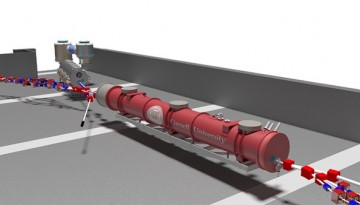
A National Academy of Sciences committee has endorsed the idea of building an electron-ion collider in the U.S. The project would be helped by research done at CBETA, Cornell's energy recovery linear accelerator.
New research from Cornell's Collective Embodied Intelligence Lab examines how popcorn’s unique qualities can power inexpensive robotic devices that grip, expand or change rigidity.
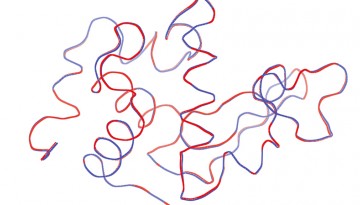
Using an algorithm developed by Cornell physicist Veit Elser, a group led by colleague Sol Gruner has determined the protein structure of a microcrystal using discarded data from another group.
High school students explored the field of digital intelligence through the CATALYST Academy, a weeklong workshop aimed at inspiring minority students to pursue careers in engineering.
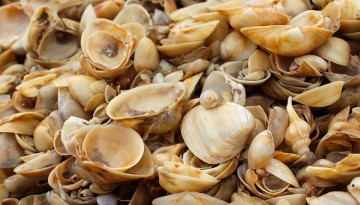
Cornell and Paleontological Research Institution scientists dug into the Colorado River's estuary mudflats to learn how upstream dams affect downstream mollusks.
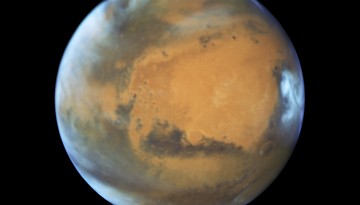
Mars may not have an Earth-like, continental crust. Instead, a Cornell scientist poses an alternative theory: Crystalized magma welled up from inside the red planet.
Chemistry professor Héctor Abruña will lead a Department of Energy-sponsored Energy Frontier Research Center at Cornell, aimed at developing next-generation, alkaline-based fuel cells.