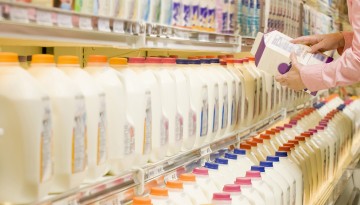
Cornell food scientists are designing the milk carton of the future that will give consumers precise “best by” dates and improve sustainability by reducing food waste.
The Cornell Presidential Postdoctoral Fellowship Program, which attracts some of the world’s best young talent to Cornell, has chosen eight new fellows.
A Cornell researcher is collaborating on an unprecedented study examining Facebook data to look for patterns in “problematic sharing” – posting links to stories that have already been flagged or proven false – to determine whether this activity spikes around elections or terrorist attacks.
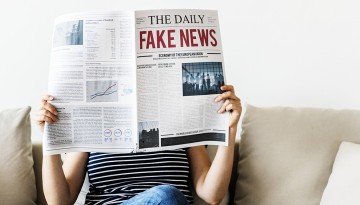
New research led by psychology professor Melissa Ferguson, published in Proceedings of the National Academy of Sciences, offers a roadmap for dealing with “fake news.”
The College of Arts and Sciences’ Klarman Fellowships will create a cohort of elite postdocs who pursue leading-edge research across departments and programs, including researchers in science and math disciplines, the humanities and social sciences.
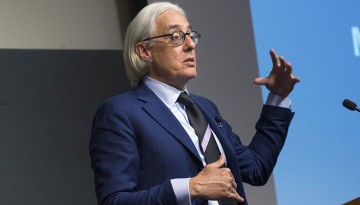
Avshalom Caspi ’83, Ph.D. ’86, gave the annual John Doris Memorial Lecture on charting mental disorders across a person’s life. The talk was sponsored by the Bronfenbrenner Center.
The Institute for the Social Sciences has awarded 12 small grants to social science researchers in six colleges and schools at Cornell. The awards assist scholars as they develop new research and seek external funding.
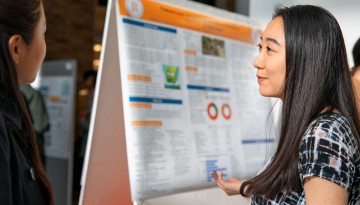
About three dozen Cornell seniors presented their undergraduate research at the 17th annual Hunter R. Rawlings III Research Scholars Senior Expo on April 17.
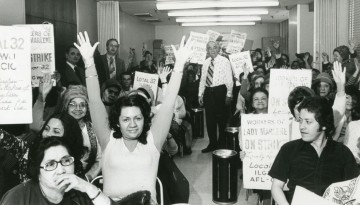
With historical materials from Cornell University Library’s Kheel Center for Labor-Management and Archives, the Museum of the City of New York opens the exhibit “City of Workers, City of Struggle: How Labor Movements Changed New York” on May 1.