Matthew Desmond, the John L. Loeb Associate Professor of the Social Sciences at Harvard University, spoke about factors contributing to widespread eviction in a Nov. 16 campus talk.
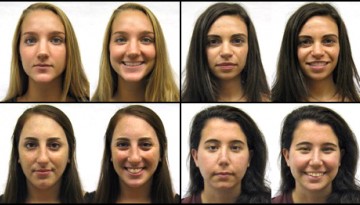
Vivian Zayas, associate professor of psychology, and her colleagues found that people continue to be influenced by another person's appearance in a photograph even after interacting with them face-to-face.
At Cornell's version of TEDx Talks – CURBx – seven undergraduate students explained their humanities and STEM research in five-minute presentations Nov. 21 in McGraw Hall.
Dealing with controversy, and consulting with the right constituencies, are part of the job of leading a university, Interim President Hunter Rawlings told students as guest lecturer in the class Economics of the University.
Elissa Cohen '12 gave a talk on campus Nov. 3 about how her minor in inequality and other courses helped prepare her for a job at the Urban Institute's Income and Benefits Policy Center.
Jennifer Lawless, a nationally recognized expert on women in politics, examined the reasons for the underrepresentation of women in politics in the final Making of the President Series talk Nov. 14.
The willingness to make lifestyle changes to avert climate change may depend on the moral values closely aligned with liberal political leanings, according to Cornell research.
New research shows that we feel more gratitude for what we've done than for what we have – and that kind of gratitude results in more generous behavior toward others.
Researchers at Cornell and Michigan have joined teams in France to find out if native speakers of American English and French use the same brain structures to understand a story when it is read to them in their own language.