The pandemic will have an enormous impact on civil infrastructure, from highways and airports to dams and energy systems, says Richard Geddes, an expert on infrastructure policy.
Risk communicators must get trust, tradeoffs and preparedness right as the COVID-19 pandemic progresses, according to Cornell experts Dominic Balog-Way and Katherine McComas.
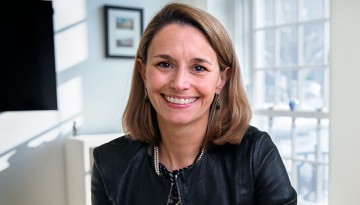
After two years as interim dean, Rachel Dunifon has been named the Rebecca Q. and James C. Morgan Dean of the College of Human Ecology, Provost Michael Kotlikoff announced May 6.
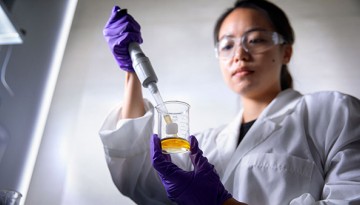
Collaborating across disparate disciplines to tackle the grand challenges facing humanity is intrinsic to Cornell’s unique brand of research innovation.
Karl Pillemer, an expert on older adults, predicts older people will increasingly stay in their own homes, rather than in nursing homes, as a result of the COVID-19 pandemic.
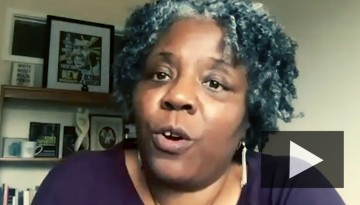
Interdisciplinary scholar Noliwe Rooks discusses how people curate their home spaces, now that much of work and school is conducted from home via video conferencing.
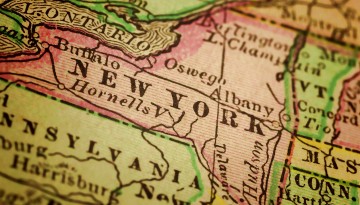
Rural counties in upstate New York are likely to be the state’s most vulnerable to a COVID-19 outbreak that could strain local health care infrastructure, according to an analysis by Cornell demographers.
A research tracker created by Nathan Matias, assistant professor of communication, has helped foster collaboration among social scientists responding to the COVID-19 pandemic.