The study presents an unexpected connection between spermidine, a long-known compound present in all living cells, and sirtuins, an enzyme family that regulates many life-essential functions.
In a recent study published in Social Science and Medicine, a multidisciplinary team sought to deepen regulators’ understanding of how both adults and teens respond to warning labels on e-cigarettes.
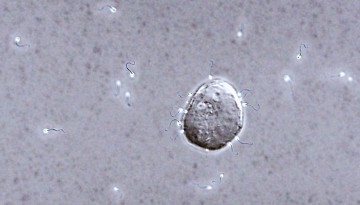
Researchers in the Baker Institute for Animal Health have created a genetically engineered mouse model that could shed light on the causes of human infertility and allow researchers to explore other areas of reproduction.
Deer hunters were more likely to be swayed by social media messages about the potential risks of chronic wasting disease if they came from a source they believed aligned with their own views and values.
In her annual Address to Staff on Jan. 11 – Ezra Cornell’s 216th birthday – President Martha E. Pollack highlighted achievements that are helping to sustain and re-imagine the university’s founding “… any person … any study” vision.
The inflammatory response from adaptive immune cells – such as B and T lymphocytes – clears the body of the SARS-CoV-2 virus, but at the same time, it also causes the characteristic symptoms of COVID-19, a new study finds.
A new study – using lab mice genetically modified with a human gene to shed light on a potential link between arsenic exposure and diabetes – revealed that while the male mice exposed to arsenic in drinking water developed diabetes, the female mice did not.
A new study, which brought together Cornell researchers, Cambodian fishers and Cambodian researchers, had study participants take photos that researchers then use to facilitate interviews and group discussions during which the subjects share their life experiences and perspectives.
A new method could be used by biologists to estimate the prevalence of disease in free-ranging wildlife and help determine how many samples are needed to detect a disease.