When Dead & Company came to Cornell in May for a benefit concert commemorating the Grateful Dead’s famed “Cornell ’77” show, it drew thousands to Barton Hall. The March announcement of the show was the most-viewed Chronicle story of 2023.
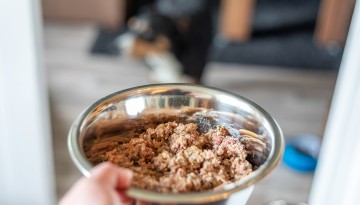
Restricting the number of ingredients in the diet lessens signs of disease in dogs with persistent gastrointestinal diseases, a study by researchers in the Department of Clinical Sciences in the Cornell College of Veterinary Medicine has found.
Cornell researchers have released a new open-source platform, Cascade, that can run artificial intelligence models in a way that slashes expenses and energy costs while dramatically improving performance.
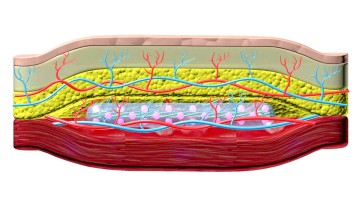
Researchers created a new technique to treat Type 1 diabetes: implanting a device inside a pocket under the skin that can secrete insulin while avoiding the immunosuppression that typically stymies management of the disease.
Researchers have identified an important pathway that reveals why some mammals, like humans, dogs and cats, regularly develop mammary cancer while others, such as horses, pigs and cows, rarely do.
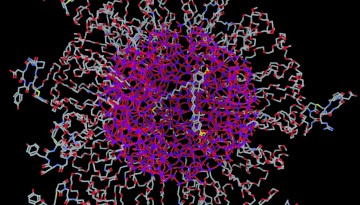
New research has shown that ultrasmall Cornell Prime Dots, or C’Dots, which are among the nanocarriers for therapeutics once thought to be viable only by injection, have the potential to be administered orally.
New York state agencies are encouraging hunters to choose non-lead ammunition to benefit both wild animals and humans, with help from Cornell communication and wildlife experts.
A consortium of 13 research institutions, including Cornell, received a $1.5 million grant from The Andrew W. Mellon Foundation to launch the Ivy+ Mellon Leadership Fellows program this fall.
Seventeen individuals and three teams of Cornell employees received President's Awards for Employee Excellence in seven categories, highlighting the achievements of staff and faculty who excel in their roles.