Cathy Garzio, a distinguished academic medicine administrator, has been appointed executive vice provost and chief operating officer of Weill Cornell Medicine, effective early February.
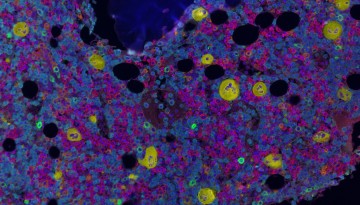
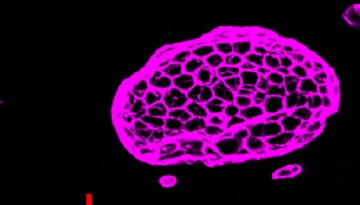
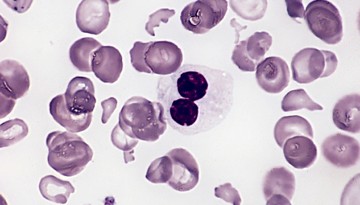
A team at Weill Cornell Medicine has mapped the location and spatial features of blood-forming cells within human bone marrow, confirming hypotheses about the anatomy of this tissue and providing a powerful new means to study diseases that affect bone marrow.
Cornell researchers are helping to improve and expand a program that makes fresh, locally grown fruits and vegetable more affordable for New York state families with low incomes.
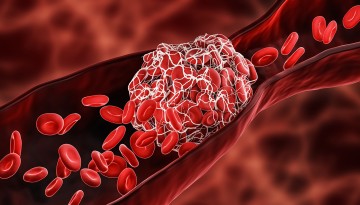
In patients with severe artery blockage in the lower leg, an artery-supporting device called a resorbable scaffold is superior to angioplasty, according to the results of a large international clinical trial co-led by researchers at Weill Cornell Medicine and NewYork-Presbyterian.
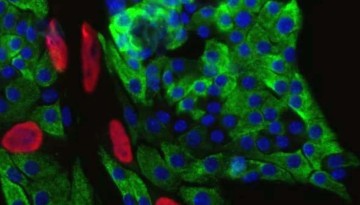
A drug currently in clinical trials as a cancer therapy can also stimulate pancreatic beta cells to secrete insulin, revealing a previously unknown mechanism for insulin regulation in Type 2 diabetes, according to a new study by Weill Cornell Medicine investigators.
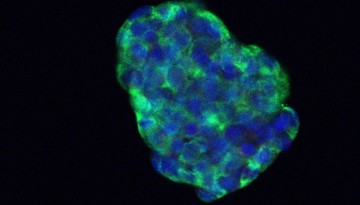
Researchers at Weill Cornell Medicine have uncovered a novel route to stimulate the growth of healthy insulin-producing pancreatic beta cells in a preclinical model of diabetes. The findings hold promise for future therapeutics that will improve the lives of individuals with Type 2 diabetes – a condition that affects more than 500 million people worldwide.
Researchers at Weill Cornell Medicine have demonstrated how amyloid beta, a peptide associated with Alzheimer’s disease, can interact with a protein receptor on immune cells in the brain. This triggers a reaction that damages blood vessels and causes neurodegeneration.
Research on the role of hope in community work, online support groups and moderating online communities received awards at the 2023 Conference on Computer-Supported Cooperative Work And Social Computing.