Switching to the oral small molecule glucagon-like peptide-1 (GLP-1) orforglipron after taking injectable GLP-1s helped patients maintain most of their weight loss, a clinical trial involving Weill Cornell Medicine has found.
While recreational cannabis laws have significantly reduced arrests for cannabis possession and sales, racial disparities in arrests still exist, according to a new study from Weill Cornell Medicine, Instituto Tecnológico Autónomo de México and the University of Texas at Austin.
All life forms need to continuously adapt to temperature changes to survive. Now, Weill Cornell Medicine investigators studying a bacterial protein have identified a new mechanism of sensing cold temperatures.
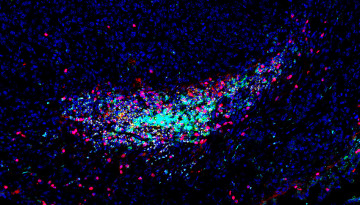
Activated immune cells secrete tiny capsules bearing DNA that can enter other immune and tumor cells to stimulate the body’s defense systems, according to a study led by investigators at Weill Cornell Medicine.
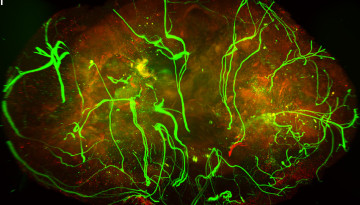
Researchers found that nerves of the sympathetic nervous system are often abundant in melanomas, and can inhibit tumor growth by reducing local tumor-supportive macrophages.
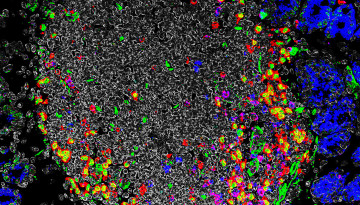
Weill Cornell Medicine investigators made an unexpected finding that could open new avenues for therapies against inflammatory bowel disease, food allergy and other autoimmune conditions.