Of the approximately 1,500 stories posted by the Cornell Chronicle, research stories about air pollution, engineering and genetics were the four most-read stories of the past 12 months.
Weill Cornell Medicine has been awarded a five-year, $4.6 million grant to create a center aimed at developing technology to help older adults who have cognitive impairments.
An Immunoprofiling Workshop – sponsored by the Cornell Center for Immunology, Dec. 13 in Stocking Hall – will feature technology experts who will provide case studies and best practices on various core technologies.
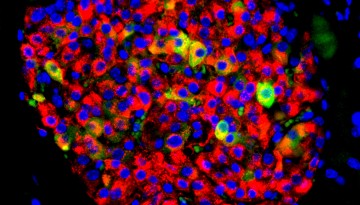
Researchers at Weill Cornell Medicine and NewYork-Presbyterian have discovered a function of the protein adipsin that could help inform new treatments for type 2 diabetes.
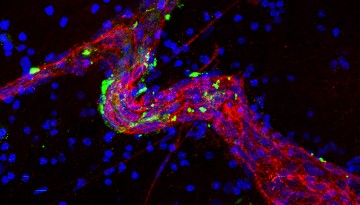
A protein that breast, lung and other cancers use to promote their spread – or metastasis – to the brain, has been identified by a team led by Weill Cornell Medicine and NewYork-Presbyterian investigators.
Professors Holly Prigerson and Valerie Reyna have combined forces to study end-of-life communication between patients and their physicians and clinicians, with the goal of improved prognostic understanding and decision-making and, ultimately, better end-of-life decisions.
A team of Cornell researchers and scientists focused on pain management has received a five-year, $3 million grant from the National Institute on Aging, part of the National Institutes of Health.
A high-salt diet may impair cognitive function by causing a deficiency of nitric oxide, which is vital for maintaining vascular health in the brain, according to a new study from Weill Cornell Medicine.