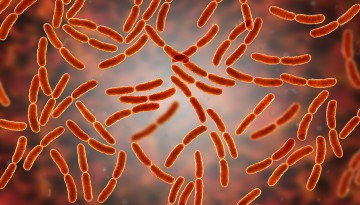
Bacteria naturally present in the human intestine can transform cholesterol-derived bile acids into powerful metabolites that strengthen anticancer immunity by blocking androgen signaling, according to a preclinical study.
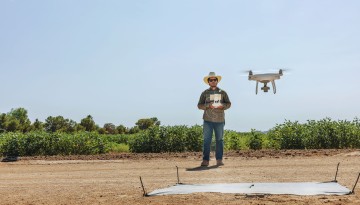
A new study, published in Global Change Biology, presents five case studies that demonstrate how deep collaboration can transform crop monitoring, fertilizer use and water management to tackle the most significant challenges facing farming: water status, fertilizer systems and phosphorus recovery.
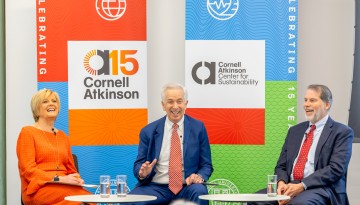
The Cornell Atkinson Center for Sustainability’s 15th-anniversary conference addressed past successes and future efforts to support climate and sustainability.
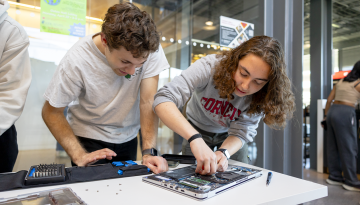
Visitors to the Earth Day Repair Fair can fix, donate or recycle their defunct tech - from laptops to keyboards to headphones. Anything with a cord (including the cord!) will be accepted.
The Cornell Cooperative Extension-runprograms, which enroll more than 1,200 students, support students’ academic success and social and emotional well-being, while building bridges between families, schools and communities.
Using Major League Baseball as a case study, Cornell research highlights potential shortcomings in diversity metrics that could obscure inequities in sports and other organizations.
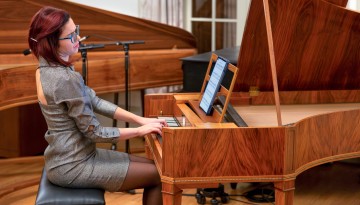
A $5 million gift from the Abraham J. & Phyllis Katz Foundation to the Cornell Center for Historical Keyboards will secure the future of its museum-quality holdings, as well as a rich program of concerts, festivals and educational offerings.
Tobias Hanrath, a Cornell Engineering nanomaterials and energy researcher, has been appointed Croll Professor of Sustainable Energy Systems and lead for the college’s research pillar in Engineering Energy Transitions.