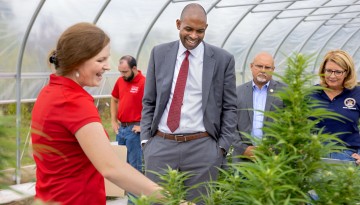
Public investment in agricultural research supports farmers, food security, economic development and environmental sustainability, Cornell researchers told New York Lt. Gov. Antonio Delgado during a tour Aug. 26 of Cornell AgriTech facilities in Geneva, New York.
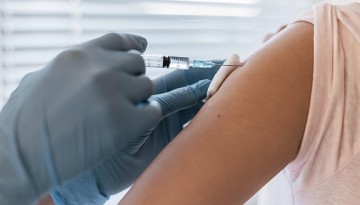
Vaccination with a SARS-CoV-2 mRNA vaccine revealed HIV hiding in immune cells in blood from people with HIV, according to lab research led by Weill Cornell Medicine investigators.
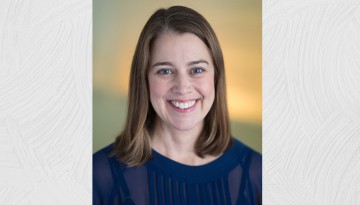
Cornell Jeb E. Brooks School of Public Policy Dean Colleen L. Barry has joined the board of Sandy Hook Promise. The organization is working for a future where children are free from shootings and acts of violence in their schools, homes, and communities.
The Presidential Advisors on Diversity and Equity have awarded three Belonging at Cornell innovation grants for 2022 programming, for projects addressing a range of topics involving diversity, equity and inclusion on all of Cornell’s campuses.
Journalist Tristan Ahtone and historian Robert Lee will talk about how Indigenous land expropriated by the 1862 Morrill Act is the foundation of the land-grant university system in the 2022 Kops Lecture.
There’s a place in the world for every Cornell student. Undergraduate students across all colleges and majors will find study abroad programs worldwide to advance their academic and career goals, including opportunities at the new Cornell Global Hubs.
Workplace burnout is costing the veterinary industry two billion dollars a year, according to research from the Cornell Center for Veterinary Business and Entrepreneurship.
According to new Cornell research, people are more likely to accept the COVID-19 booster the more effective it is, if there are cash incentives and if it is made by Moderna or Pfizer.
An increase in consumer awareness around GMO-related topics – such as news coverage of legislative debate – is linked to an increase in demand for non-GMO products, even in states that didn’t ultimately pass GMO labeling laws, a new study finds.
Sherry F. Colb, the C.S. Wong Professor of Law, a pioneering scholar and prolific writer on constitutional criminal procedure, animal rights and sexual equality, died Aug. 25 at her home in Ithaca.