After a successful pilot launch in the spring, Cornell’s AI Critical Literacy Program will be offered in the fall to all incoming students as well as other interested students, faculty members and staff.
Through their research programs, the 2026 fellows are advancing new tools and insights to inform conservation strategies, strengthen disease management, and promote sustainable systems that benefit wildlife, people, and the planet.
Researchers and extension staff translated complex research into a hands-on curriculum – including the construction and deployment of floating robots – for New York State teachers and their students.
Trustee emeritus and philanthropist Stephen Ashley ’62, MBA ’64, whose service and advocacy for Cornell spanned more than five decades, died July 29 in Richmond, New York.
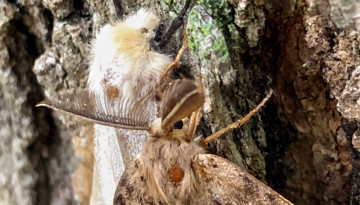
Satellite-derived maps of defoliation caused by European spongy moths offer a promising solution for tracking pest outbreaks and for identifying large scale trends.
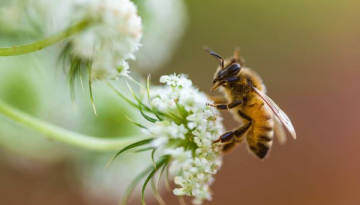
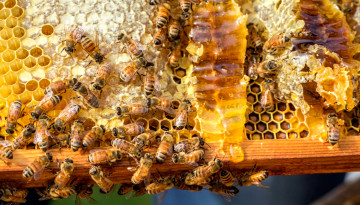
Strict regulations have prevented continental U.S. beekeepers from participating in the lucrative organic honey market, but new findings could provide evidence to open organic markets to U.S. producers.
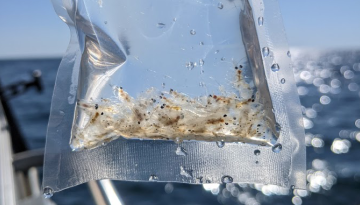
Cornell University’s James Watkins and Kade Keranen are leading a nearly $240,000 study to examine the abundance of mysid, small, shrimp-like crustaceans that are critical links in Lake Ontario’s aquatic food web.