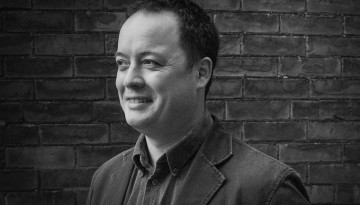
Organized by Cornell's Program on Freedom and Free Societies, the talk by Wood will examine al-Qaeda’s successes and failures alongside U.S. counterterrorism efforts since 9/11.
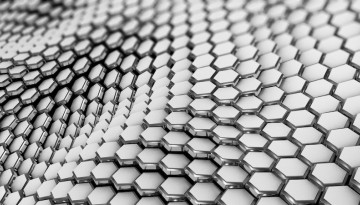
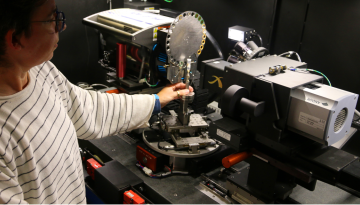
A new study presents rhombohedral hexalayer graphene as a promising quantum materials platform for studying electron interactions and developing technologies.
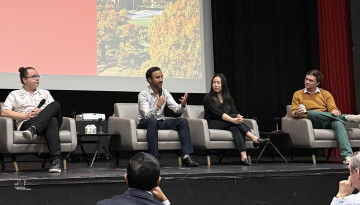
Five graduate students rose to the challenge of explaining their research in just five minutes at Research Lightning Talks: Big Ideas Demystified during the inaugural Cornell Volunteer Summit.
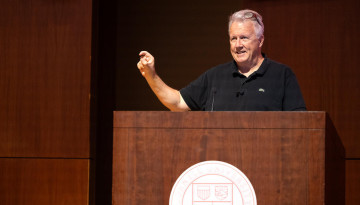
Taking advantage of the opportunities a college education affords and doing what you love are important in a successful startup journey, according to Paul Graham ’86, founder of Y Combinator.
In a new book, sociologist Landon Schnabel debunks assumptions that women are inherently more religious and explains why many Americans are disengaging from religious institutions while maintaining personal spirituality.
The Biotechnology Resource Center – a set of core facilities providing shared, cutting-edge resources for life sciences research – is enhancing and expanding its support for Cornell researchers.
Cornell researchers have demonstrated that uranium ditelluride can exhibit both flavors of superconductivity at once, setting it apart as a leading candidate to be a topological superconductor.
Five professors from across campus will advocate that their discipline is the most important to save in the annual Apocalypse Debate, sponsored by Logos, the undergraduate philosophy journal and club.
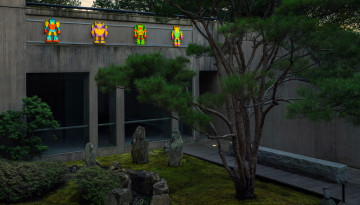
“Garden Invaders," an exhibit by history of art and visual studies professor Iftikhar Dadi and Elizabeth Dadi, features pixelated alien sculptures inspired by Japanese aesthetics and technology.