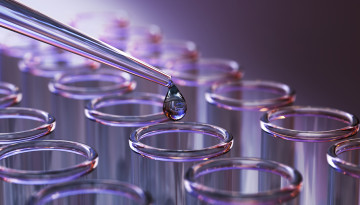
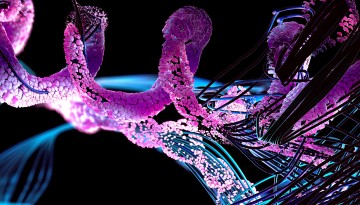
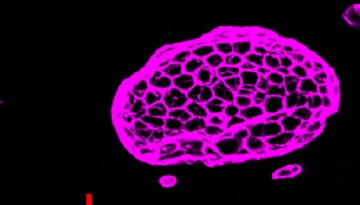
Researchers developed an ultrafast-dissolving nanofiber film that can deliver a cocktail of three drugs so quickly and effectively, 90% of the formulation is released in less than two seconds.
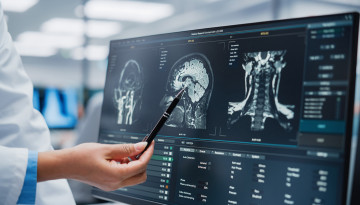
Traumatic brain injury in Pakistan is associated with a high risk of death and disability long after the initial injury, even in mild to moderate cases.
The 3,681 first-year students and 603 transfers who begin moving to campus Aug. 17, hail from 49 states plus Washington, D.C., Puerto Rico and American Samoa, and 62 countries.
Using a photochemically driven labeling technique, a Cornell-led research group has devised a way to capture cancer-specific protein-to-protein interactions, which could spawn targeted therapies for prostate and other forms of the disease.
Brain-resident immune cells that have reached an old-age state called “senescence” secrete a protein that causes dysfunction in other brain cells, according to Weill Cornell Medicine researchers, a finding that could shed light on memory loss.
Researchers have uncovered how a key Parkinson’s protein shifts between inactive and active forms, revealing the structural changes that enable certain mutations to push the protein into an overactive state.