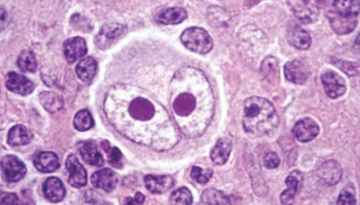
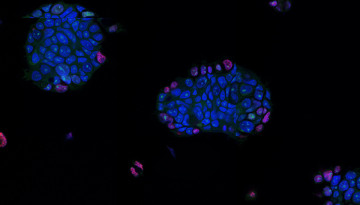
A protein that can dial down oxidative stress in cells helps some cancers resist treatment with a widely used class of drugs called BTK inhibitors, according to a study led by investigators at Weill Cornell Medicine.
Weill Cornell Medicine has received a three-year, $2.5 million grant from the Department of Defense to develop therapies with fewer side effects for triple-negative breast cancer, one of the most aggressive and difficult-to-treat breast cancers.
The Executive Committee of the Cornell Board of Trustees approved his appointment on June 15. White will start as Cornell’s top legal officer on Aug. 20.
An NSAID-related compound called ampyrone appears to safely boost production of the pigment melanin in human skin, according to a preclinical study led by Weill Cornell Medicine and National Eye Institute investigators.
Researchers have identified a site where a commonly used anesthetic binds to sodium ion channels, revealing a molecular mechanism that may explain how these drugs dampen communication between neurons.
An artificial intelligence system that operates like a collaborative team of medical experts could accelerate clinical trial design, one of the most difficult steps in drug development.