During nine years in the United States Marine Corps, Harold Reed was responsible for complex systems, high-stakes decisions, and the people behind them.
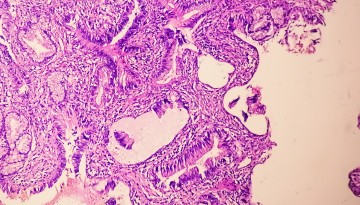
Patients with advanced prostate cancer may need periodic imaging scans to catch tumor growth even with stable levels of prostate-specific antigen, a protein in the blood that doctors routinely monitor for cancer progression.
On July 1, the digital research respository arXiv, housed at Cornell Tech, will transition to an independent nonprofit, enabling faster technological development, expanded partnerships and long-term financial sustainability.
The Center for Technology Licensing brought together Cornell inventors in Ithaca and at Weill Cornell Medicine for Bearers of Innovation: A One Cornell Celebration, recognizing CTL-connected inventors from the past two fiscal years.
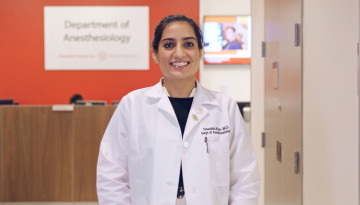
Weill Cornell Medicine anesthesiologist Dr. Gunisha Kaur has been appointed to the U.S. Commission on International Religious Freedom, an agency that monitors the universal right to freedom of religion or belief.
Ceremonies on Cornell’s Ithaca and Weill Cornell Medicine campuses honored not only academic achievement, but the resilience, shared purpose and commitment to lifelong learning that define Cornell staff.
Cornell Prime dots – known as C’ dots – are effective against prostate tumors, according to a new preclinical study led by investigators at Weill Cornell Medicine and the Cornell Duffield College of Engineering.
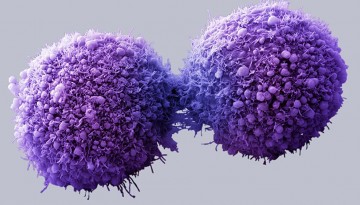
A new prodrug offers a new strategy to potentially reduce the recurrence of pancreatic and triple-negative breast cancer in patients who initially respond to treatment.