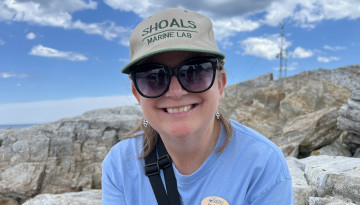
Dr. Sara Morris, the John M. Kingsbury Executive Director of the Shoals Marine Lab, will speak about the wonders of bird migration and what she’s learned from 36 years of studying birds on Appledore Island in Maine, at the 2026 Paul C. Mundinger Distinguished Lectureship on September 9.
Targeting launch Aug. 30, the Nancy Grace Roman Space Telescope will attempt to directly image a set of exoplanets selected with help from Cornell faculty member Dmitry Savransky.
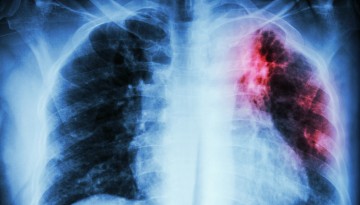
Tuberculosis bacteria released into the air from infected individuals dry out to form infectious particles that are second only to measles in contagiousness, Weill Cornell Medicine investigators have found.
Cornell’s To Do the Greatest Good campaign surpassed its goal of raising more than $5 billion and engaging more than 200,000 alumni – achievements that will enhance opportunities for students and accelerate critical faculty research.
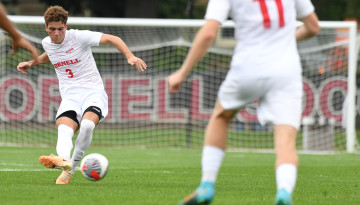
While Cornell has won at least 10 games in six of the last seven seasons, the lack of silverware is a driving force for the Big Red entering the 2026 season.
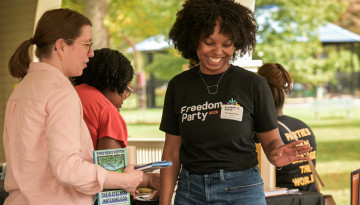
The Freedom Party, a block-party style festival that emphasizes community connection, storytelling, and creative and academic freedoms, returns on Saturday, Sept. 19 from 1–4 p.m. at Greater Ithaca Activities Center in downtown Ithaca.
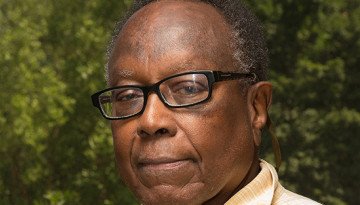
Edmondson joined the Africana Studies and Research Center faculty as an assistant professor in 1983, becoming a full professor in 1987 and retiring in 2017.
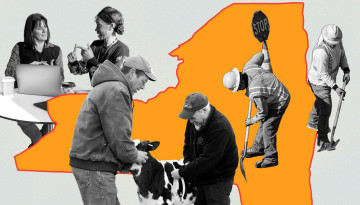
Studying two decades of data collected through the Empire State Poll, researchers have found that the cost of living dominates respondents’ key concerns, eclipsing other priorities, such as the environment.
Researchers from Cornell's College of Arts and Sciences have developed a forensics framework to document cultural heritage destruction. Their new book, "Heritage Forensics," examines threats to historic sites and advances methods for protecting endangered cultural heritage in war zones.
Seven Cornell research teams have received Center for Advanced Technology grants to advance early-stage life science technologies through collaborations with biotechnology companies across New York state.
This summer, 60 undergraduates participated in the Bowers Undergraduate Research Experience, a 10-week, paid program where undergraduate students do real-world research alongside Bowers faculty.