Two Cornell professors calculate how wind energy scenarios could reduce atmospheric average temperatures by 0.3 to 0.8 degrees Celsius by the end of the century.
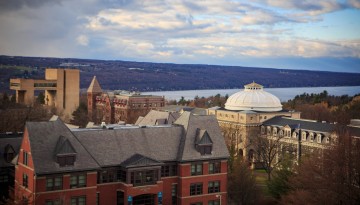
Toni Morrison Hall and Ganędagǫ: Hall – two newly opened student residential buildings – were designed and built in line with Cornell’s high standards for green infrastructure, a critical component to advancing the campus goal of carbon neutrality by 2035.
The Finger Lakes Energy Compact is part of a new international initiative overseen by the United Nation’s Sustainable Development Goals Program. The compact will combine Cornell’s research initiatives and campus efforts in renewable energy and energy efficiency with the City of Ithaca and the Town of Ithaca’s ambitions for a Green New Deal.
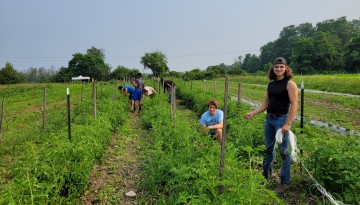
A new summer internship enables undergraduates across disciplines to learn about organic, restorative and agroecological practices while working at diversified, small-scale farms around New York state.
Biogeochemistry – an interdisciplinary field that examines the elemental cycles through Earth’s air, land and water – is critical to understanding climate change. Learn how it found its origin at Cornell CALS more than six decades ago.
A Cornell team won first place in the ALFRED Challenge (Action Learning From Realistic Environments and Directives) at the 2021 EAI@CVPR (Embodied Artificial Intelligence workshop at the Conference on Computer Vision and Pattern Recognition).
Celebrating in person for the first time since May 2019, this year’s 24th annual Staff Graduate Reception honored 51 Cornell staff members who earned degrees from December 2019 to May 2021 through the Employee Degree and Cornell Tuition Assistance programs.
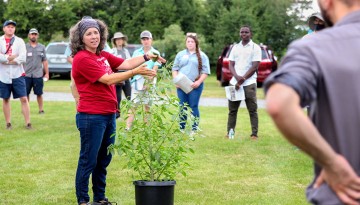
Hemp producers and organic apple and grape growers will have evidence-based guidance on their weed management, thanks to two new USDA grants to a Cornell AgriTech researcher.
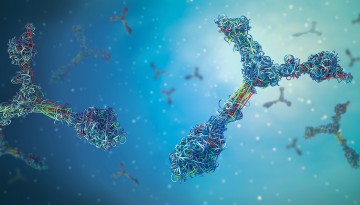
A new study published Sept. 7 in the journal of the International Union of Crystallography demonstrates that cryo-EM samples can be prepared with a safer and less expensive coolant – liquid nitrogen – and these samples can produce even sharper images than those prepared with ethane.