‘Enchanted Myanmar’ is a trip open to alumni and friends of Cornell that will celebrate 50 years of field-based learning of Cornell’s first and longest-running experiential learning course.
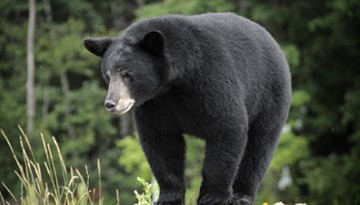
Black bear populations are on the rise in New York, and Cornell researchers combine digital technology with on-the-ground conservation efforts to manage the growing numbers.
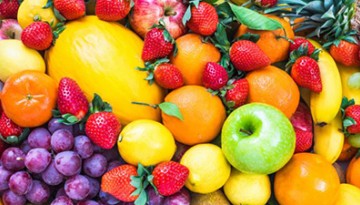
With the launch of the revamped Cornell Fruit Resources website, New York growers have a new resource this season to help keep them productive and profitable.
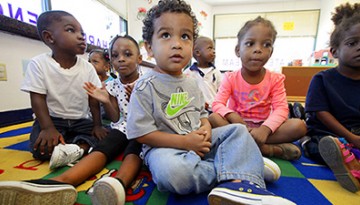
Cornell researchers are working with Head Start Centers and day schools in New York City on early intervention to promote development of spatial skills and language acquisition in preschoolers.
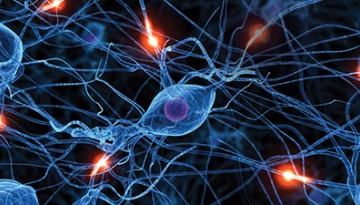
A five-year, $9 million grant from the National Science Foundation will create the Cornell Neurotechnology NeuroNex Hub to develop new tools for neuroscience.
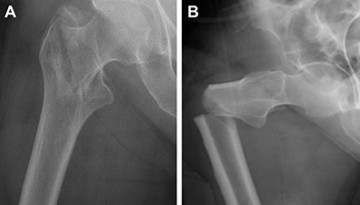
A research team led by Eve Donnelly, assistant professor in materials science and engineering, has published a study regarding a dangerous side effect of long-term use of bisphosphonates to treat osteoporosis.
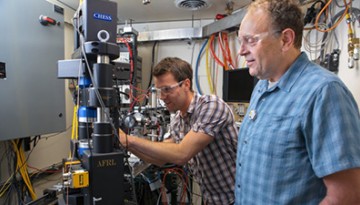
InSitu@CHESS, a program begun in 2014 by engineering professor Matt Miller, offers a way for industry and other labs to test materials using the high-energy X-rays of Cornell's synchrotron source.
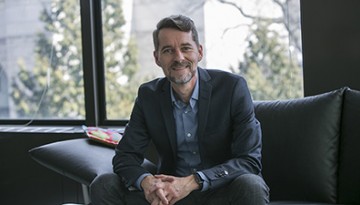
In a new opinion piece in a major publication, Morten Christiansen, professor of psychology, calls for a new era of integration in the language sciences, which has fragmented into many highly-specialized areas of study.
Six students are researching fencing, teaching English, exploring how regions recover from natural disasters, and immersing themselves in Asian languages, thanks to grants from the Department of Asian Studies in the College of Arts and Sciences.
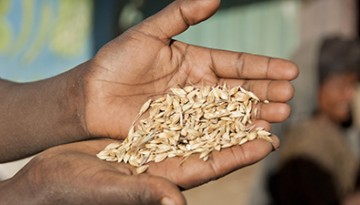
Cornell’s Climate Smart Farming program has added a fifth online tool – the New York State/Northeast Drought Atlas – to help regional farmers cope with an era of global warming.