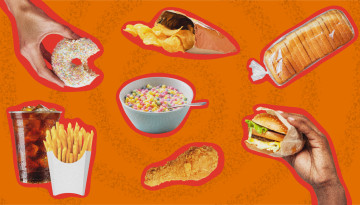
Across partisan lines, Americans broadly believe ultraprocessed foods are addictive and harmful, and support policies that could strengthen safeguards and hold the food industry accountable.
Eighteen faculty and staff members across Cornell’s state contract colleges have been named recipients of the 2025–26 State University of New York (SUNY) Chancellor’s Awards for Excellence.
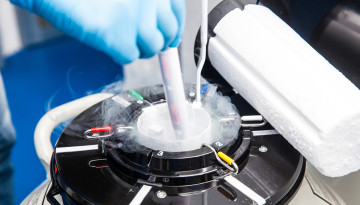
The new freezing method – 30 times faster than current protocols – could be used to improve assisted reproduction in humans or animals or to conserve biodiversity.
The Cornell Ann S. Bowers College of Computing and Information Science’s celebrated their newest graduates in department recognition ceremonies during Commencement weekend.
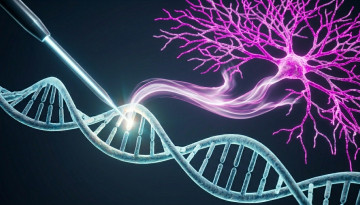
Cornell researchers developed a safer and more precise way to study how genes function in living tissues by refining a recently developed CRISPR-based genetic technique in fruit flies, enabling researchers to better study how genes contribute to development and disease.
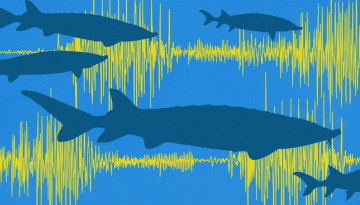
The finding gives New York state another tool to locate and understand the behavior of the endangered Atlantic sturgeon, an iconic species decimated by overfishing.
The Class of 2026 has the tenacity, talent and determination to advance the unfinished work of American democracy, President Michael I. Kotlikoff told graduates and their guests at Commencement ceremonies held May 23.