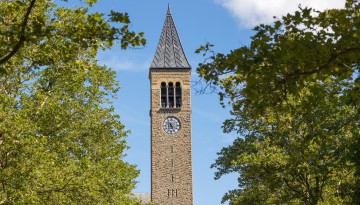
Eighteen active-duty and veteran service members visited Cornell with the nonprofit Warrior-Scholar Project, which helps military personnel pursue higher education.
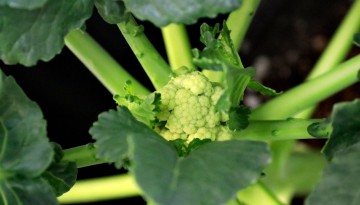
Expanding broccoli production on the East Coast and outside of California can help stabilize fresh produce supply chains that are vulnerable to water shortages.
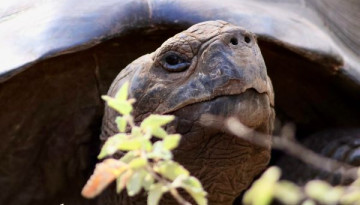
The CCF provides catalytic seed funding to spark pioneering applied research to advance wildlife conservation solutions. The fund prioritizes initiatives that improve the health of free-ranging wildlife and/or solve environmental problems via a One Health lens.
Doctoral students Divyanth Loganathan Girija and Sumit Sharma were selected for the 2026-2029 Foundation for Food and Agriculture Research Fellows Program.
A new ecological discovery – that global warming is slowing tree growth – means current climate predictions could overestimate forests’ potential for carbon storage by as much as 30%.
Cornell Atkinson hosted its first executive education program – the Resilient Futures Leadership Program: Financing Sustainable Agriculture – with partner Field to Market. The successful program will be offered twice more over the next two years.