A new study calculated renewable energy projects' potential to profit from bitcoin mining during the precommercial development phase, when a wind or solar farm is generating electricity, but has not yet been integrated into the grid.
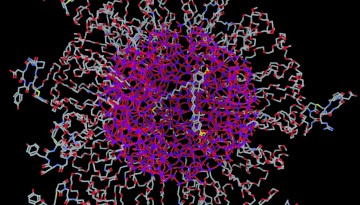
New research has shown that ultrasmall Cornell Prime Dots, or C’Dots, which are among the nanocarriers for therapeutics once thought to be viable only by injection, have the potential to be administered orally.
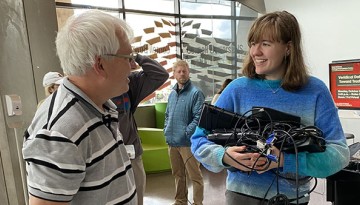
The Technology Repair Fair helped visitors repair, reuse, or recycle their old devices, while bringing attention to the environmental impacts of computing.
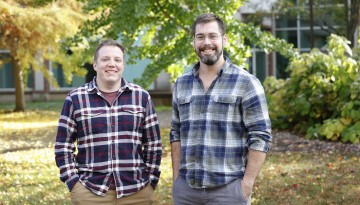
After service in the military, Chris Brunkhorst and Caleb Jones sought new outlets to channel their discipline and their commitment to helping others – and they both found it in neuroscience.
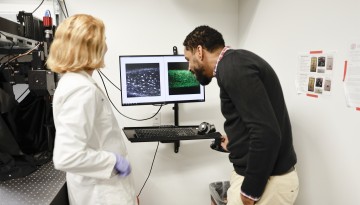
A special type of cell, called an osteocyte, may hold the key to some of the mysteries of osteoporosis. A research group led by Karl Lewis, assistant professor of biomedical engineering, is studying osteocytes in unique new ways.
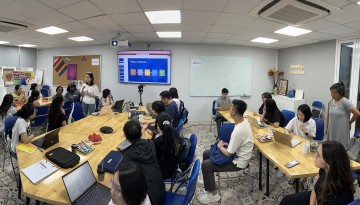
This summer, a team of students from VinUni and Cornell contributed to the Vietnam Adverse Childhood Experience Pathfinder project, which addresses pressing issues for young people in Vietnam.
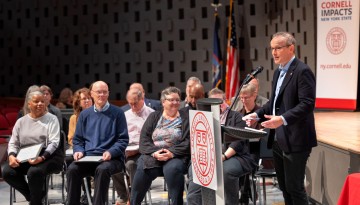
To underscore how local partnerships improve Cornell, Ithaca and Tompkins County, the university presented the 13th annual Cornell Town-Gown Awards to three student-community collaborations.
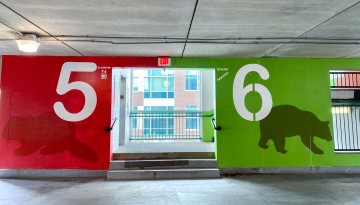
An interdisciplinary team of students designed a new signage system for a downtown Ithaca parking garage that employs colors and animal imagery to help drivers.