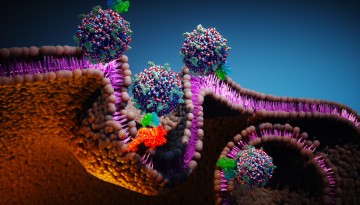
A novel cancer therapeutic, combining antibody fragments with molecularly engineered nanoparticles, permanently eradicated gastric cancer in treated mice, a multi-institutional team of researchers found.
Cornell Engineering faculty and alumni are reimagining design approaches to the materials that make up the world around us to mitigate unintended social and environmental consequences.
The Kessler Fellows program has welcomed a record 20 students to its 2023 cohort. The group will spend the spring semester learning entrepreneurial basics in preparation for a fully funded summer internship at a startup.
Domestic production of photovoltaic solar panels – now made in Asia – can speed up decarbonization and reduce atmospheric climate change faster, according to new Cornell Engineering research.
Cornell’s Greeshma Gadikota will partner with Stillwater Critical Minerals to develop environmentally rigorous techniques to help the company extract a steady supply of elements.
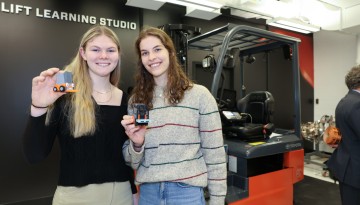
The Forklift Learning Studio, developed in partnership with Toyota Material Handling, provides students taking mechanical engineering courses with a place to apply curriculum on real products.
The Bowers Undergraduate Research Experience (BURE) is a paid summer research opportunity with Cornell faculty, allowing students to develop new skills and gain insights into careers in research.
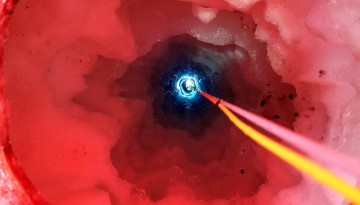
The Icefin team’s observations revealed more than a century of geological processes beneath the Ross Ice Shelf near where it meets Kamb Ice Stream, and will inform models of sea-level rise.