Cornell is a global leader in sustainability and climate change research, teaching and engagement. Our campuses are living laboratories for developing, testing and implementing solutions that address these most challenging issues.


The diet that could remake modern agriculture

New study asserts that systematic change in food production and consumption requires real political capital and will.

How a Cornell startup scaled to $1.3 billion in battery tech

The startup was founded by Cornell alumni and a professor, inspired by a class in the Cornell SC Johnson College of Business and nurtured through Cornell’s entrepreneurship ecosystem.

NYS stewards spur ‘absolutely critical’ local action on climate change

The Cornell Climate Stewards program gives New York state residents the tools and confidence to address the impacts of climate change in their communities. 

China’s pollution declines came at a cost

China’s Scientific Outlook on Development program, which tied local leaders’ job performance evaluations to environmental quality improvements, had negative impacts on the country's agricultural economy, researchers found.

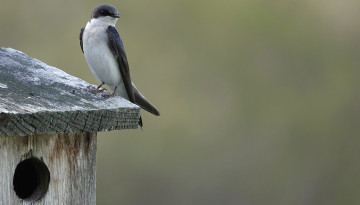
Climate change leaves northern tree swallows most vulnerable

Tree swallows in the northern U.S. and Canada face the greatest risk from climate change despite responding to temperature the same way as tree swallows in the southern U.S.

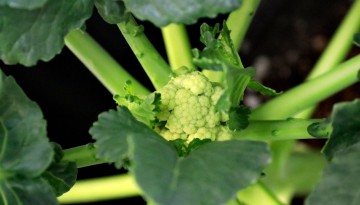
East Coast broccoli lowers costs and risks from California drought

Expanding broccoli production on the East Coast and outside of California can help stabilize fresh produce supply chains that are vulnerable to water shortages. 

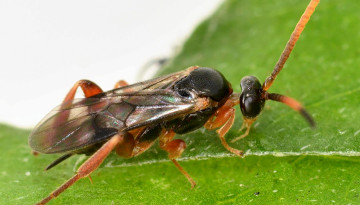
There may be 3 times as many insect species than previously thought

A new estimate of insect species globally finds that there may be 8 to 14 million more species than people thought, with few of them discovered.  

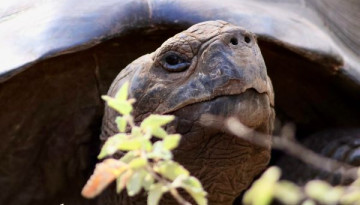
Cornell Yang Center for Wildlife Health awards seed funding to five conservation efforts around the globe

The CCF provides catalytic seed funding to spark pioneering applied research to advance wildlife conservation solutions. The fund prioritizes initiatives that improve the health of free-ranging wildlife and/or solve environmental problems via a One Health lens.

Around Cornell

Getting warmer: Slower forest growth means less carbon storage

A new ecological discovery – that global warming is slowing tree growth – means current climate predictions could overestimate forests’ potential for carbon storage by as much as 30%.