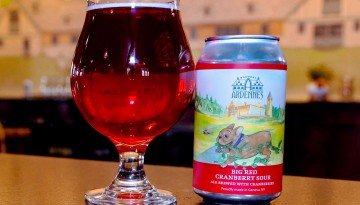
Cornell’s fingerprints are all over the tasty Big Red Cranberry Sour ale. It uses a Cornell-bred barley, alum-grown hops, and made by Big Red Brewing students with an alum-owned brewery.
A new database allows users to search any U.S. ZIP code address to learn about extreme weather concerns like hurricane or wildfire exposure, and to find nearby problematic environmental sites.
In making hydrogen a viable, clean-energy alternative to carbon-based fuels, Cornell and two research-startups have joined a consortium that aims to propose a Northeast research hub.
A Cornell study describes a breakthrough in the quest to improve photosynthesis in certain crops, a step toward adapting plants to rapid climate changes and increasing yields to feed a projected 9 billion people by 2050.
Peter Gregory, who for more than a decade supported cadres of international leaders through the Hubert H. Humphrey Fellowship Program at CALS, will retire June 30.
As consumers want fewer food preservatives and less plastic waste, Cornell scientists have created a bioderived polymer that helps salad dressings and beverages last longer in the fridge.