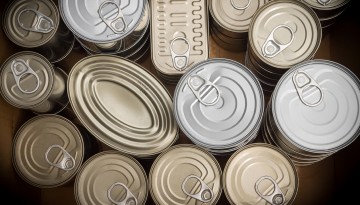
A Cornell faculty member is part of a core team that has organized the Tompkins County COVID-19 Food Task Force, a nerve center working to ensure that those in need have access to food and that food producers stay in operation during the crisis.
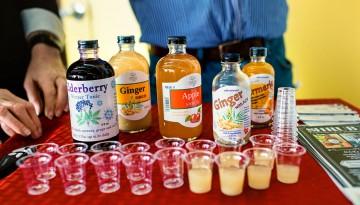
Cornell AgriTech’s Center for Excellence for Food and Agriculture has been helping food and ag businesses adapt to the COVID-19 economy with new marketing strategies and by diversifying products.
The coronavirus pandemic has forced Cornell instructors to rethink how they teach lab classes, as remote learning has created special challenges for courses considered more hands-on, collaborative and experiential.
A Cornell senior research associate served as a consultant to members of the New York State Senate on the Outdoor Rx Act, a bill that seeks to make it easier for veterans to access New York state’s scenic and restorative outdoor spaces.
A Cornell researcher is part of a multi-institution team helping upstate New York organic farmers grow and increase profitability of perennial grain crops, which can be planted once and will yield grain for multiple years.
Peptides found in the Asian citrus psyllid, which feeds on the leaves of citrus trees and spreads a bacteria that causes citrus greening disease, could lead to development of a new pesticide.
Given that greenhouse gases still warm the atmosphere and climate change disrupts oceanic hydrology, the forecast for drought looks grim, according to a Cornell paper in Science.
Researchers show that the wallflower is an excellent model plant for discovering new cardenolides that could be used to treat heart disease and cancer.
Thomas Pepinsky, an expert on economic policy at Cornell University, discusses President Donald Trump’s decision to halt funding to the World Health Organization, and his new research: Democrats are much more likely to take active steps to combat the spread of COVID-19.