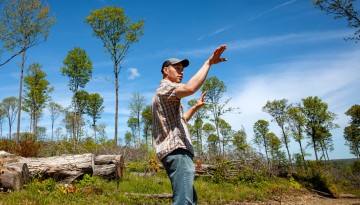
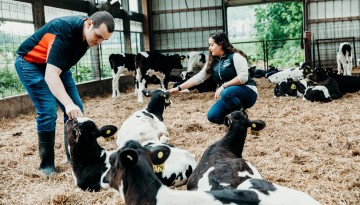
The Cornell Lab of Ornithology is partnering with the Cornell Maple Program to help New York forests that produce maple syrup meet their full potential as bird habitat, sweetening the deal for both maple producers and birds.
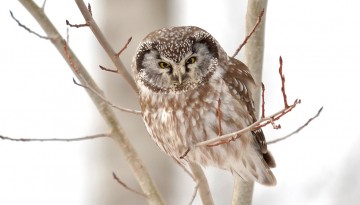
Cross-referencing a decade of Google searches and citizen science observations, researchers have determined which of 621 North American bird species are currently the most popular and which characteristics of species drive human interest.
Environmental photographer James Balog will attend a screening of the film “The Human Element” on Earth Day at 7 p.m. at Cornell Cinema and participate in a Q&A session.
Ten Cornell undergraduate and graduate students traveled 23 hours and 7,600 miles to the South Pacific island nation of Tonga to see what climate change really looks like.
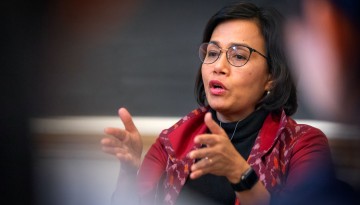
Sri Mulyani Indrawati, Indonesia’s minister of finance, delivered this year’s Bartels World Affairs Lecture April 10. The event was hosted by the Mario Einaudi Center for International Studies and the Southeast Asia Program.
A Cornell researcher, who is a leader in developing a new type of gene editing CRISPR system, and colleagues have used the new method for the first time in human cells – a major advance in the field.
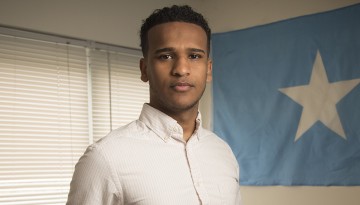
Ahmed Ahmed ’17, whose remarkable journey led him from a Kenyan refugee camp to Cornell, has been awarded a Paul and Daisy Soros Fellowship for New Americans, which will support his medical school studies.
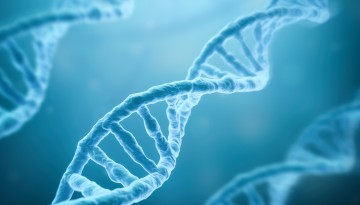
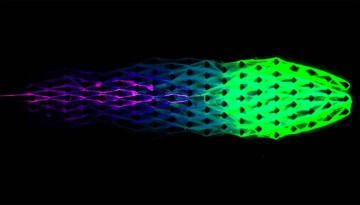
Cornell engineers have constructed a DNA material with capabilities of metabolism, in addition to self-assembly and organization – three key traits of life.