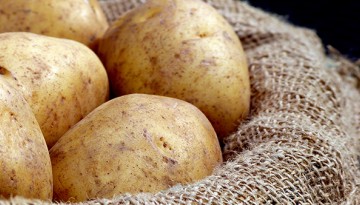
When pests graze certain potatoes, yields double

When some Colombian potato varieties are lightly grazed by a pest, the plants respond by growing larger tubers, at times doubling their yields.

Adequate choline in pregnancy may have cognitive benefits for offspring

When expectant mothers consume sufficient amounts of the nutrient choline during pregnancy, their offspring gain enduring cognitive benefits, a new Cornell study suggests.

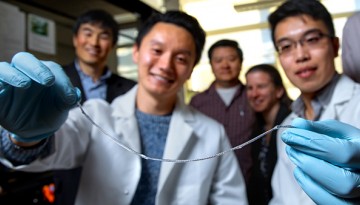
Removable implant may control type 1 diabetes

In an example of cross-campus collaboration, a group led by Minglin Ma has developed a unique implant for controlling type 1 diabetes, which affects more than 1 million Americans.

December graduates set out to make a difference

In a Dec. 16 ceremony in Barton Hall, President Martha E. Pollack encouraged December graduates to have a positive impact on the world, suggesting they "Start with compassion. Start with understanding. Start with kindness and with love.”

Digital agriculture tech Adapt-N nets $1M Tulane prize

Adapt-N, a team from Cornell, was awarded the $1 million grand prize from the Tulane Nitrogen Reduction Challenge Dec. 14 in New Orleans.

Students envision future of Hudson River town confronting flooding

Residents of Piermont, New York are facing climate change, as Hudson River flooding begins to encroach their waterfront streets. Cornell students provided concepts at an open house on how to handle it.

Malawi seed village model benefits farmers, universities, growers

A revolutionary seed village project in Malawi led by Cornell University improves the incomes and livelihoods of Malawian farmers.

Course marks 50 years of international engagement

Cornell’s International Agriculture and Rural Development 602 class is celebrating 50 years of international engagement.

Kids test-drive social media sites – minus the risks

A new social media simulator lets kids learn to present themselves online, deal with cyberbullying and identify fake news, all in a safe offline environment.