McGovern Center incubator graduates a trio of startups

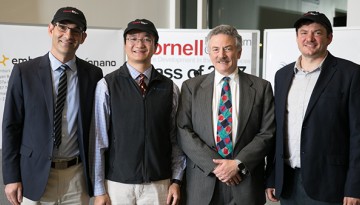
Cornell’s McGovern Center business incubator graduated three companies – Embark, Lionano and Sterifre Medical – at a ceremony in Weill Hall Nov. 13.

Entrepreneurs present beehive monitoring technology to D.C. policymakers

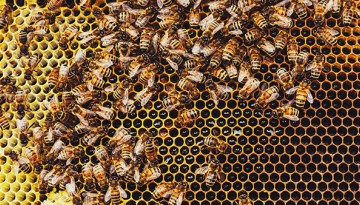
The founders of Combplex, a startup run by two Cornell doctoral students, presented their bee colony monitoring technology in Washington, D.C., Nov. 14.

Cornell students meet, learn from COP23 world leaders

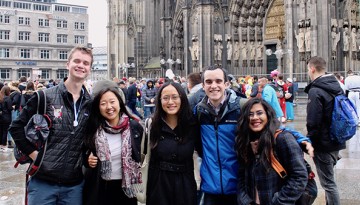
For the first week of 2017’s Conference of the Parties in Bonn, Germany, Nov. 6-17, seven Cornell students met with business and government leaders from around the world.

In bee decline, fungicides emerge as improbable villain

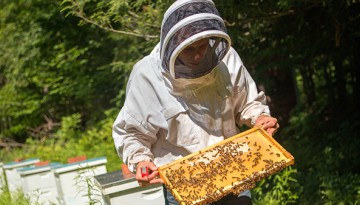
To understand bumblebee population declines, a Cornell-led team examined environmental stressors. They found a shocker: fungicides.

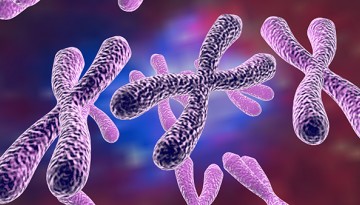
Putting the X into sex chromosome research

Alon Keinan's work seeks to redress science's historical use of males as the norm when conducting chromosome research.

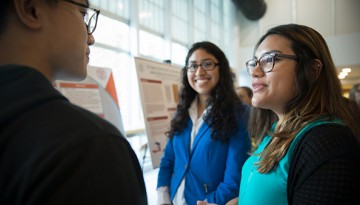
Students share global and public health projects, solutions to problems

More than 40 student teams gave presentations based on their global and public health learning at the Cornell Global Health Program annual symposium Nov. 3.

Saving Coney Island from the roller coaster of climate change

As sea levels rise, the Coney Island peninsula may become uninhabitable. Cornell landscape architecture graduate students wrestle with the island’s tenable, livable resilience as nature aims to reclaim it.

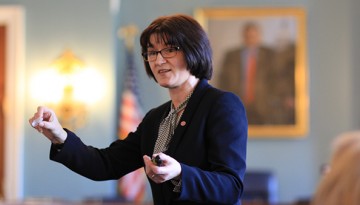
Carmen Moraru promotes food and agriculture research funding in D.C.

Cornell food scientist Carmen Moraru testified before Congress about the value of USDA funding for food safety.

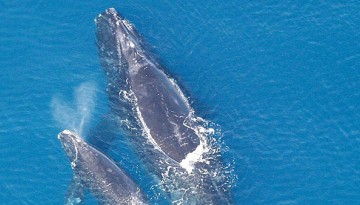
Climate change, sparse policies endanger right whale population

North Atlantic right whales – a highly endangered species making modest population gains in the past decade – may be imperiled by warming waters and insufficient international protection, according to a new Cornell analysis published online in Global Change Biology, Oct. 30.