While more than 2 billion people in developing countries still cook with traditional fuels that yield greenhouse gas, a Cornell professor advised COP28 to support small-scale biogas.
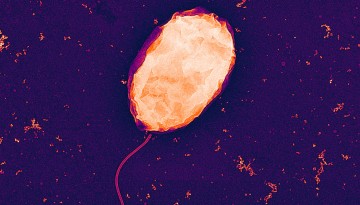
Cornell researchers and colleagues have for the first time described the near-complete genome of a rare bacterium so large it’s visible to the naked eye. The bacteria, which they’ve named Epulopiscium viviparus, lives symbiotically within some tropical marine surgeonfish.
A hard-working bacterium may soon have a large influence on processing rare-earth elements that help run smartphones, electric cars and wind turbines in an eco-friendly way.
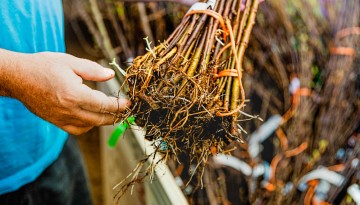
An estimated 70 million trees are planted on Cornell AgriTech's Geneva rootstocks around the world – and that number is likely to grow with the release of three new rootstocks.
A new method could be used by biologists to estimate the prevalence of disease in free-ranging wildlife and help determine how many samples are needed to detect a disease.
On Dec. 12, Jamila Michener offered expert testimony during a New York State Senate committee hearing focused on the causes and effects of poverty in the state’s small and midsized cities.
When Dead & Company came to Cornell in May for a benefit concert commemorating the Grateful Dead’s famed “Cornell ’77” show, it drew thousands to Barton Hall. The March announcement of the show was the most-viewed Chronicle story of 2023.
USDA Deputy Secretary Xochitl Torres Small visited Cornell AgriTech Friday, Dec. 8 as one of her visits to land-grant institutions focusing on specialty crops, ag tech innovation and local foods.
A piece of synthesizer history has been given an unexpected second life at Cornell, after eight months of meticulous and often confounding work by a group of synthesizer builders.