The lack of alcohol in nonalcoholic or low-alcohol beer – particularly during manufacturing, storage and pouring – may prompt conditions ripe for foodborne pathogen growth.
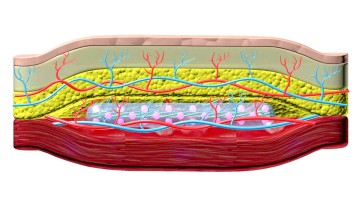
Researchers created a new technique to treat Type 1 diabetes: implanting a device inside a pocket under the skin that can secrete insulin while avoiding the immunosuppression that typically stymies management of the disease.
Researchers have identified an important pathway that reveals why some mammals, like humans, dogs and cats, regularly develop mammary cancer while others, such as horses, pigs and cows, rarely do.
Inspired by a small and slow snail, scientists have developed a robot protype that may one day scoop up microplastics from the surfaces of oceans, seas and lakes.
“Startup Launch – Liftoff with Legal 101 for Entrepreneurs,” was created by Zach Shulman and a team of corporate and intellectual property lawyers at WilmerHale,
The 2030 Project has launched a new Climate Solutions Fund and announced 15 new Research-to-Impact Fast Grants, financed in part by Dead & Co. concert proceeds.
Researchers have demonstrated the use of artificial-intelligence-selected natural images and AI-generated synthetic images as neuroscientific tools for probing the visual processing areas of the brain.
Cornell’s Content Writing online certificate program, offered through eCornell, empowers students with techniques to present information succinctly and engage readers with actionable next steps.
An interdisciplinary collaboration used paleo information and reconstructed weather scenarios to better understand California’s flood and drought risks and how they will be compounded by climate change.