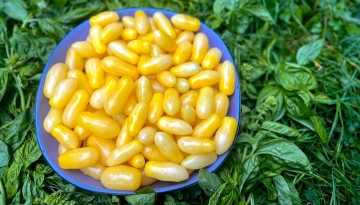
Phillip Griffiths, a Cornell plant breeder, has developed an unusual tomato – with yellow flesh and an oblong shape that prompted its fans to name it “Yellow Submarine.”
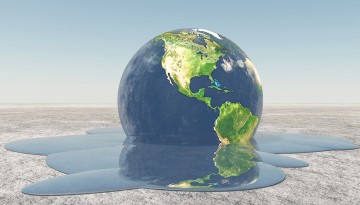
In the Northeast, December temperatures helped to make 2023 the warmest year on record for 13 of the region’s 35 major urban areas, including New York City, says Cornell’s Northeast Regional Climate Center.
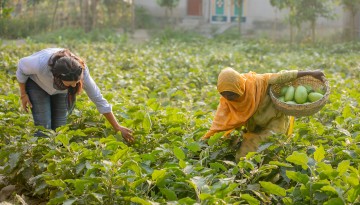
A new FAO book highlights agricultural biotechnologies used to serve the needs of smallholders in developing countries and features a case study on Bt eggplant, the first bioengineered food crop approved in South Asia.
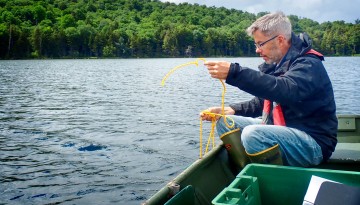
Climate warming and lake browning – when dissolved organic matter turns the water tea-brown – are making the bottom of most lakes in the Adirondacks unlivable for cold water species such as trout, salmon and whitefish during the summer.
Influencers are encouraged to reveal their innermost selves to their followers – to “put themselves out there” – but doing so can result in identity-based harassment, according to research by Brooke Erin Duffy, associate professor of communication.
A Cornell graduate student partners with library experts to create an online collection of images of the Philippines during the early days of American annexation.
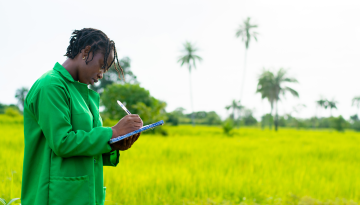
In a paper co-authored by Mario Herrero, professor and director of the Food Systems & Global Change program, the first science-based monitoring of global agriculture and food systems is being used to provide equitable access to healthy diets through sustainable food systems.