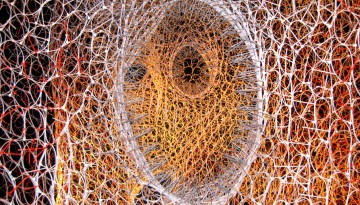
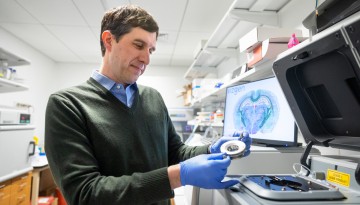
With a $3 million National Science Foundation grant, Cornell researchers are creating a new approach to architecture by learning how plants and animals form internal structures.
In 2022-2023, the Center for Teaching Innovation awarded five Innovative Teaching & Learning Awards to Cornell faculty. With a goal of facilitating vibrant, challenging, and reflective learning experiences at Cornell, these awards sponsor projects across the colleges that explore new tools and emerging technologies, approaches, and teaching strategies. CTI is now accepting pre-applications for the 2023-2024 Innovative Teaching and Learning Awards – the deadline is April 17.
Can humans endure long-term living far from our home planet? Maybe, according to a new theory that describes the need for gravity, oxygen, obtaining water, developing agriculture and handling waste.
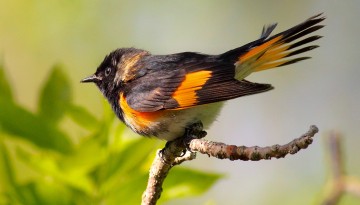
A new study demonstrates that birds can partially compensate for deteriorating habitat conditions by delaying the start of spring migration and completing the journey faster – but the strategy comes with a decline in overall survival.
The Bezos Earth Fund grant will support a project developing low-cost virtual livestock fencing that would benefit farmers and animals, improve public health in developing countries and combat climate change.
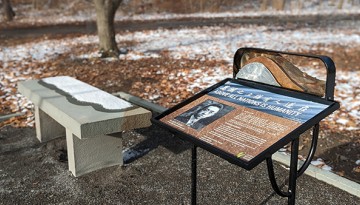
While a student at Cornell, Hu Shih 1914 imagined and later led a literary movement resulting in the adoption of a common, accessible language in China. The language reforms that emerged with Hu Shih at Cornell went on to change an entire nation. A stone bench and interpretive sign invite community members to the northwest corner of Beebe Lake, where they can learn more about Hu Shih.
A Cornell multidisciplinary research center that studies chronic fatigue syndrome has received a five-year, $9.5 million grant from the National Institutes of Health – funding that will enable experts to continue work on the mysterious and debilitating condition.