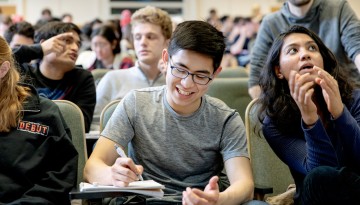
The Active Learning Initiative has awarded three-year postdoctoral fellowships to three departments at Cornell. The fellows will work closely with department faculty to facilitate improvements in student learning by helping faculty research, develop, and implement new teaching materials and approaches.
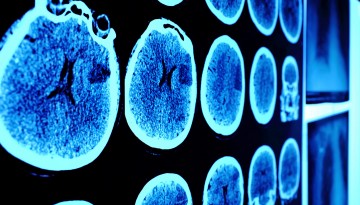
Neurons in a key area of the brain have different functions based on their exact genetic identity, and understanding this diversity could lead to better understanding of the brain’s computational flexibility and memory capacity, Cornell researchers found.
The Graduate Diversity and Inclusion Awards recognized members of the graduate community for their accomplishments, leadership and commitments to advancing efforts around diversity, inclusion, outreach and student engagement.
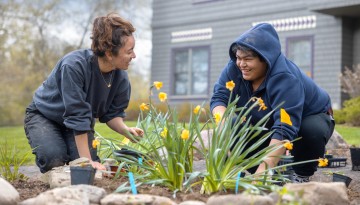
A new garden at Akwe:kon, established by students from the American Indian and Indigenous Studies Program and the Cornell Botanic Gardens, aims to honor Indigenous students and their connection to the land.
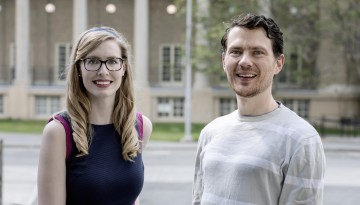
Doctoral candidates Julia Nolte and Ewan Robinson are the 2022-23 recipients of the Cornelia Ye Outstanding Teaching Assistant Award. The award recognizes two outstanding graduate teaching assistants (TAs), one domestic and one international, who have clearly demonstrated dedication and excellence in their teaching responsibilities.
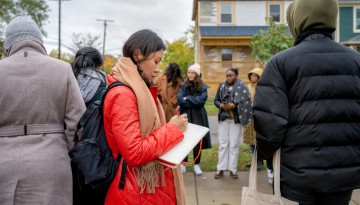
Cornell students explored creative ways to understand urban landscapes during two cross-disciplinary courses this year, part of Cornell's Mellon Collaborative Studies in Architecture, Urbanism and the Humanities.
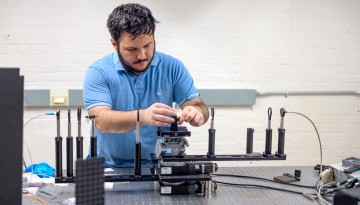
This summer, 101 students in the College of Arts and Sciences will take part in groundbreaking research on campus with 61 faculty as part of the Nexus Scholars Program.
A $2.5 million grant will fund 13 research projects across the sciences, social sciences and humanities for novel investigations ranging from quantum computing to foreign policy development and from heritage forensics to effects of climate change.