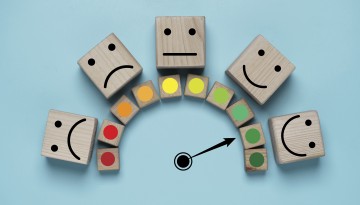
Happiness can’t be bought, but nor does it depend mostly on one’s mindset, as many happiness surveys would suggest, according to a recent study by Cornell psychology researchers.
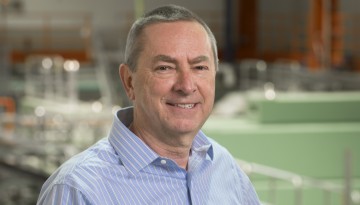
Nigel Lockyer, an accomplished physicist and laboratory leader, has been selected as the new director at the Cornell Laboratory for Accelerator-based Sciences and Education (CLASSE). Lockyer comes to Cornell with a wealth of experience in physics and accelerator sciences, having most recently served as the director of the Fermi National Accelerator Lab (Fermilab).
Fourteen students spent their spring break on a Massachusetts island, dismantling hundreds of discarded lobster traps, collecting sounds of the island and deepening their understanding of human impacts on marine life.
In his new book, “Stay Cool: Why Dark Comedy Matters in the Fight Against Climate Change,” history professor Aaron Sachs demonstrates how laughter can give you strength to persevere even when things seem most hopeless.
People today work substantially less than they did generations ago – not just because they have more money, but because of the virtually unlimited trove of cheap entertainment increasingly at their fingertips, according to new economics research.
“Wonder and Wakefulness: The Nature of Pliny the Elder,” an exhibition running through June 11 at the Johnson Museum, marks the 2,000th anniversary of the birth of the celebrated Roman author, natural philosopher and statesman.
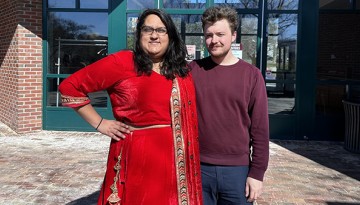
A student-run organization, Cornell's Diversity Admissions Ambassadors help historically underrepresented groups learn about, apply to and thrive at Cornell.