Song Lin and collaborators use electrochemistry to selectively synthesize chiral compounds – important in pharmaceuticals – using the reaction’s electrolytes, a completely new strategy.
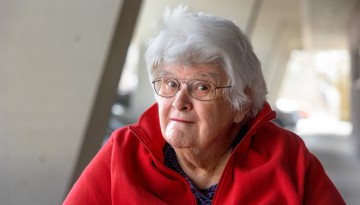
Margaret Rossiter, the Marie Underhill Noll Emerita Professor of the History of Science in the College of Arts and Sciences (A&S) and known worldwide for her studies of the history of women in science, died Aug. 3. She was 81.
Cornell chemistry researchers have designed a light-powered, reusable catalyst that’s pre-charged by electricity and capable of driving challenging reactions, with applications including drug development and environmental clean-up.
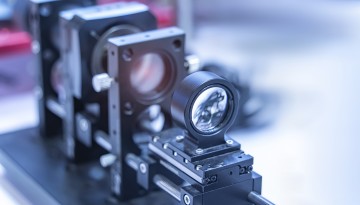
A new $5 million initiative, funded by the Astera Institute with experimental work conducted at the Cornell High Energy Synchrotron Source, aims to make diffuse scattering accessible to the public and the broader scientific community.
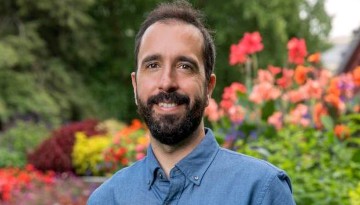
Antonio Fernandez-Ruiz, assistant professor and Nancy and Peter Meinig Family Investigator in the Life Sciences in the Department of Neurobiology and Behavior in the College of Arts and Sciences, has been awarded a biomedical sciences grant from the Pew Charitable Trusts.
“How to Have Willpower: An Ancient Guide to Not Giving In,” edited and translated by professor Michael Fontaine, brings together a pair of works by Plutarch and Prudentius that show how people can overcome pressures that encourage them to act against their own best interests.
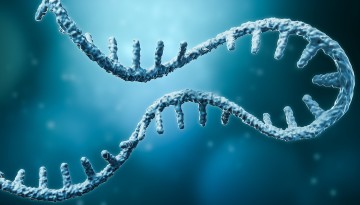
Researchers developed machine-learning models that can sift through cell-free RNA and identify key biomarkers for chronic fatigue syndrome, a debilitating disease that is difficult to confirm in patients because its symptoms can be easily confused with those of other illnesses.
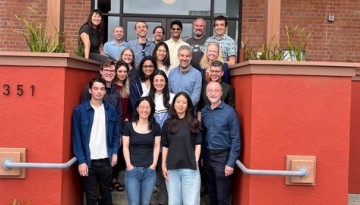
As the need to find climate change solutions becomes ever more urgent, Cornell chemists are leading the way with innovative and far-reaching discoveries, including better electric batteries, carbon capture technologies, renewable plastics and improvements in solar cells.