By graduation, humanities Ph.D. students often see only a path to a faculty or research career. The Graduate School offers programs to illuminate careers in industry, government, non-profits and more.
The Cornell Council for the Arts seeks proposals from faculty and students for artwork, performances, music and design that fit within the 2022 Cornell Biennial theme, “Futurities, Uncertain.”
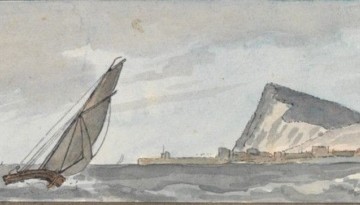
Watercolor 'views' of enemy coastline, commissioned by the eighteenth century British Royal Navy, are both art and navigational tool, writes Kelly Presutti.
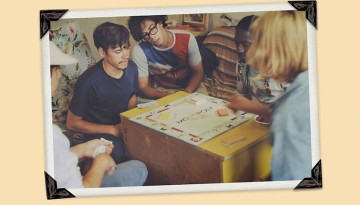
The intimacy of domestic space was a crucial aspect of LGBTQ life in the postwar era, according to historian Stephen Vider, who explores that history in his new book, “The Queerness of Home: Gender, Sexuality, and the Politics of Domesticity after World War II.”
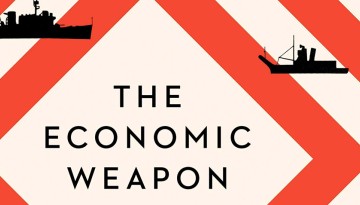
Economic sanctions have long been considered a nonviolent deterrent, but ironically they have become a tool of modern warfare, according to a new book by Nicholas Mulder, assistant professor of history.
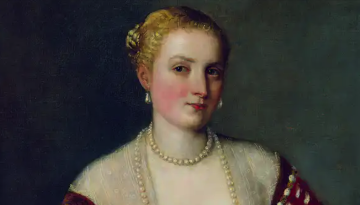
Marilyn Migiel, professor of Romance studies, has won the Modern Language Association’s Aldo and Jeanne Scaglione Publication Award for Veronica Franco in Dialogue,” forthcoming from the University of Toronto Press in spring 2022.
Four projects have been selected for Cornell Library’s annual Grants Program for Digital Collections in Arts and Sciences, which boosts the collaboration of scholars and library specialists to transform physical materials into lasting online resources for teaching and research.