Cornell Atkinson’s 2026 Postdoctoral Fellows seek to discover new antibiotics, uncover hidden corporate emissions data, and support indigenous communities’ environmental assessments of mining projects.
Postdoc Achievement Awards recognize postdocs who made outstanding contributions to the Cornell community, as well as faculty who provided exceptional mentorship to postdocs.
Birds play an outsized, underappreciated role in shaping Earth’s chemistry, distributing nutrients across oceans, forests and coral reefs and sustaining life far beyond the nest, according to a new scientific review.
Five Cornellians join 175 global experts to outline research priorities that can inform future national and regional climate assessments in a new special collection of the American Geophysical Union and the American Meteorological Society.
The Cornell-led multi-institutional Center for Research on Programmable Plant Systems will continue work to transform agriculture by enabling direct two-way communication with crop plants’ internal processes.
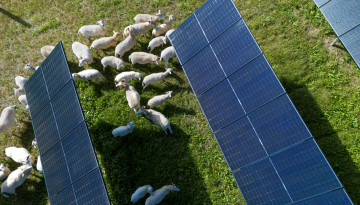
As solar grazing expands across the country, new research helps sheep farmers increase profitability and sheds light on the how the number of sheep in solar array fields interacts with beneficial insects.
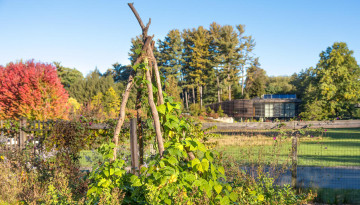
Through plants and personal stories, a new student-led exhibit at Cornell Botanic Gardens explores the concept that people live because the natural world lives.