New research in biomechanics measures the impact of head-first, hand-first and feet-first diving and the likelihood of injury at different diving heights.
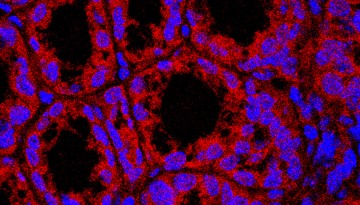
Sphingolipids – prominent molecules produced by bacteria in the gut microbiome – appear to ameliorate a problematic fatty liver, according to new Cornell nutrition research.
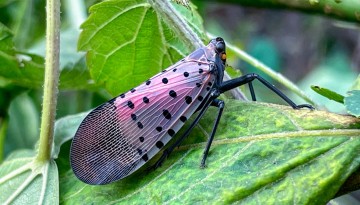
The devastating spotted lanternfly’s spread to upstate and western New York is not a matter of if, but when, experts say – and Cornell is a key player in helping slow the infestation.
Extreme heat threatens to reverse progress made in combating early child malnutrition as the planet continues to warm, according to Cornell research focused on five West African nations.
Larger organic farms operate more like conventional farms and use fewer sustainable practices than smaller organic farms, according to a new study that also provides insight into how to increase adoption of sustainable practices.
New tools and methods that enable the visualization and quantification of phosphate content in plants at the single-cell level could help agricultural researchers understand how crop plants use this important nutrient.
More than 180 young people from across New York state and the Philadelphia area got a taste of campus life and future career paths during the annual 4-H Career Explorations Conference, June 28-30.
Dan Aneshansley, Ph.D. ’72, professor emeritus of biological and environmental engineering, whose research impacted the state’s dairy and fruit production, died July 3. He was 79.