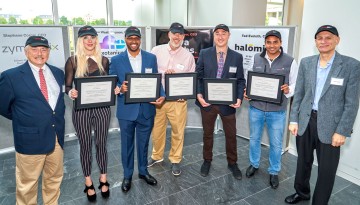
As the pandemic pomp and COVID circumstances dissipate, Cornell’s McGovern Center and Praxis Center incubators graduated five startups, putting them on the road to success.
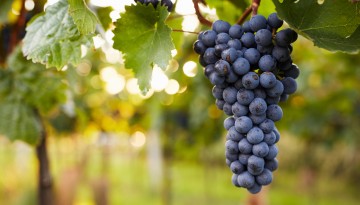
Applications are being accepted through Aug. 1 for the inaugural New York Concord Grape Innovation Award, a first-of-its-kind business competition aimed at stimulating innovation and development of new products and markets for one of New York’s largest and most historic grape industries.
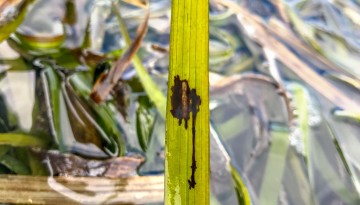
A combination of ecological field methods and AI has helped an interdisciplinary research group detect eelgrass wasting disease from San Diego to southern Alaska, and determine that it’s caused by warmer-than-normal water temperatures.
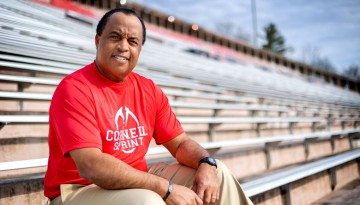
Michael L. Huyghue ’84, a former NFL general manager, has provided recommendations for improving diversity, equity and inclusion in hiring practices and is meeting with each team’s leadership.
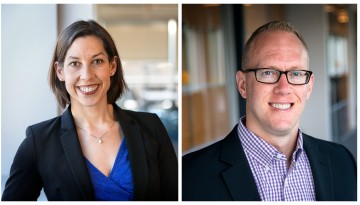
Because of their scholarly accomplishments and commitment to advancing global knowledge about communication, professors Lee Humphreys '99 and Jeff Niederdeppe have been elected as Fellows in the International Communication Association.
Four Cornell faculty members have received Kendall S. Carpenter Memorial Advising Awards, which recognize sustained and distinguished contributions of professorial faculty and senior lecturers to undergraduate advising.
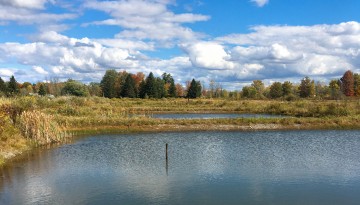
Meredith Holgerson, assistant professor in ecology and evolutionary biology, is working with New York state to quantify the climate impact of ponds and wetlands, as part of the state’s efforts to achieve carbon neutrality by 2050.
After many rounds of brainstorming, the lab group found inspiration during President Joe Biden’s inauguration on Jan. 20, when Gorman read her poem, “The Hill We Climb.”