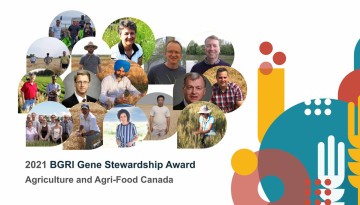
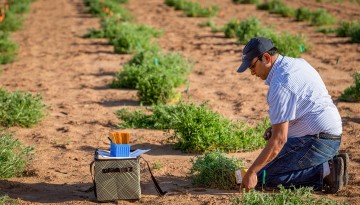
The rust-resistant wheat cultivar development team at Agriculture and Agri-Food Canada (AAFC) earned the Borlaug Global Rust Initiative (BGRI) 2021 Gene Stewardship Award for their long-standing innovations and strategies to…
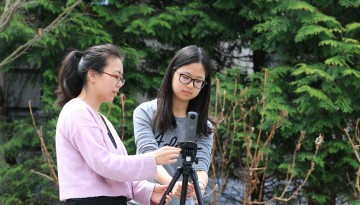
The Center for Teaching Innovation's Digital storytelling community of practice offers monthly sessions this fall for instructors to explore this inclusive teaching strategy and discuss their ideas with peers.
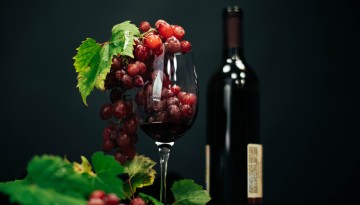
Cornell food scientists now show that the leftover pulp from the red wine making process has the potential to be a nutritive, illness-reducing treasure.
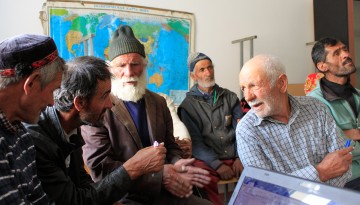
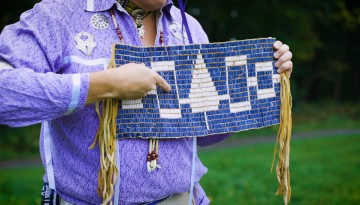
Karim-Aly Kassam is leading a project that brings together Indigenous and rural communities and scholars from across the globe to develop ecological calendars that integrate local cultural systems with seasonal indicators.
A Cornell-led national network of scientists and farmers is developing new varieties of cover crops with sustainable benefits that are better adapted to local regions and stressors.
Carlos Jay Espinosa was awarded the Dean’s Scholarship from Cornell University Precollege Studies to take a biology course with Cornell faculty and earn college credit.
“As a first-generation student, and one who didn’t come from a well-off household, I always dreamt of attending international opportunities like this, since programs of this kind are scarce in my country,” Espinosa said. “I thought of that dream as something impossible.”
The U.S. Department of Agriculture has awarded $3.9 million in funding to the Cornell University Agricultural Experiment Station to support 52 projects across three colleges.
Four Cornell faculty members have received Kendall S. Carpenter Memorial Advising Awards, which recognize sustained and distinguished contributions of professorial faculty and senior lecturers to undergraduate advising.