Fascinating science is being done at the New York State Agricultural Experiment Station (NYSAES), and student researchers are eager to share their work June 23 from 9 a.m. to 3:30 p.m. at Jordan Hall.
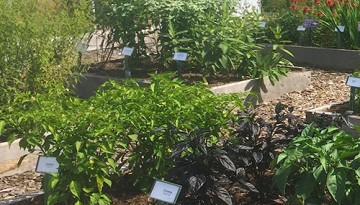
The university's Climate Change Demonstration Garden, located at the Cornell Botanic Gardens, illustrates how future temperature conditions may affect plants.
Cornell is No. 14 among the world's universities in the 2018 QS World University Rankings, released June 7. That is two spots up from last year's ranking of No. 16. And it is up five rungs from its No. 19 ranking in 2015.
On the day before graduation, Posse staff from Cornell's program as well as leaders from the national Posse office gathered to honor the graduates and wish them well.
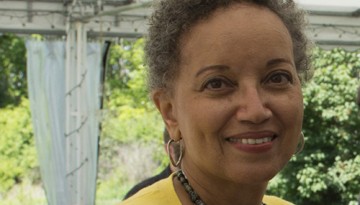
Jacqueline Davis-Manigaulte '72 won the 2017 National Urban Extension Leadership Award for excellence in urban extension programming and leadership for her Cornell University Cooperative Extension-New York City work.
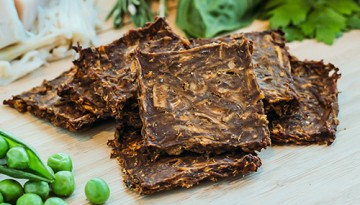
Cornell's Jack'd Jerky – a nutritious, vegan on-the-go snack – is a finalist for the Institute of Food Technologists' Student Association & Mars Product Development Competition June 25-28 in Las Vegas.
A Cornell study describes how shifts in diets in Europeans after the introduction of farming 10,000 years ago led to genetic adaptations that favored the dietary trends of the time.
The Program Work Team on Poverty and Economic Hardship met to brainstorm ways to eradicate poverty in upstate New York. In the United States, 40 percent of people will be poor at some point during their adult life, they said.
Youth Development Research Update brought to campus more than 50 Cornell Cooperative Extension educators and 4-H program leaders, youth service providers and faculty to discuss issues of well-being in children.