In a new Foreign Language Across the Curriculum class with Michael Fontaine, associate professor of classics, students earn course credit while learning to converse in Latin.
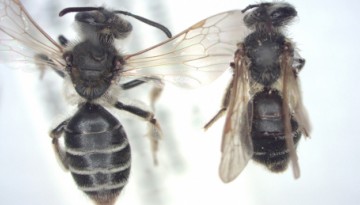
Extensive testing of malarial DNA found in birds, bats and other small mammals from five East African countries revealed that malaria has its roots in bird hosts.
Undergraduate students in the new College of Business will see more extensive career services, easier access to a wider range of classes and the addition of new faculty.
A team of scientists – led by a Cornell professor of natural resources – will help mountain communities in Asia recalibrate their seasonal-indicator ecological calendars to reckon the effects of climate change.
Now Americans can judge how close they are to falling into poverty, thanks to a new calculator developed by Cornell sociologist Thomas Hirschl and his collaborators. For many, the answer will be they are perilously close.
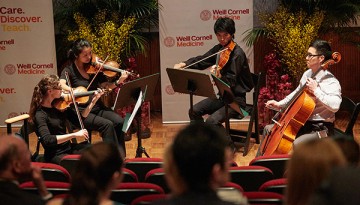
In events held at the College of Agriculture and Life Sciences and at Weill Cornell Medicine March 17, students, faculty and staff paid tribute to Cornell's late preside, Elizabeth Garrett.
Cornell professors Laura Harrington and Alaka Basu briefed the Washington, D.C., press March 15 on the fight against the mosquito-spread Zika virus, which threatens pregnant women worldwide.