A $6 million federal grant will give a high-tech boost to Cornell research and by developing and implementing digital mapping technology to aid grape growers who produce juice, wine and table grapes.
Cornell undergraduate students from a geophysics class will deploy a network of 15 seismometers around campus into the late fall, through which they will collect data for a year.
Cornell University’s entry for the International Genetically Engineered Machine synthetic biology competition earned three prizes and a gold medal at the 12th annual iGEM Giant Jamboree in Boston.
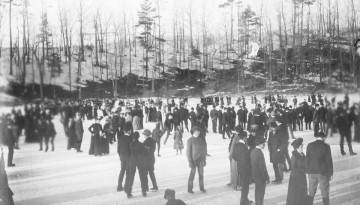
In the late 19th century, Cornell students enjoyed visually striking class lectures and extracurricular talks thanks to lantern slides – 4-by-3.25-inch projected glass slides that illustrated all subjects.
A new coffee table book, "The Living Bird: 100 Years of Listening to Nature," celebrates the Cornell Lab of Ornithology's centennial with essays and photos.
A new Cornell study suggests the kinds of ready-to-eat foods left out on the countertop and other visible parts of the kitchen could also hint at the weight of the people there, especially for women.
Three young Cornell researchers have won National Institutes of Health New Innovator Awards. The awards provide up to $1.5 million over five years for innovative, high-impact projects.
Cornell scientists participated in Grow: Urban Garden Symposium in New York City Oct. 14, advising new and experienced gardeners on techniques and procedure to grow produce in the city.
The future of New York agriculture, aided by Cornell research and expertise, look bright according to farmers and food processors at the "NY Loves Food" event Oct. 14 in Geneva.