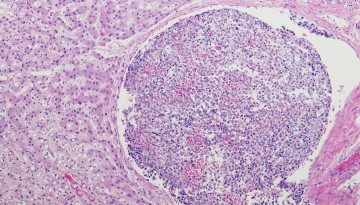
Blocking the formation of filaments – multi-enzyme structures that fuel cancer activity – may offer new ways to control cancer cell proliferation, according to a new study led by Cornell researchers.
On March 13, the Department of Near Eastern Studies in the College of Arts and Sciences will host “Academic Freedom and Middle East Scholars after Oct. 7,” one of Cornell’s Freedom of Expression theme year events.
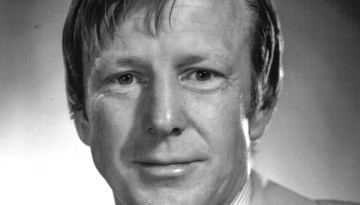
On March 14 and 15, a series of free public events at Mann Library will celebrate Russian novelist and former Cornell professor Vladimir Nabokov's lesser-known but impactful contributions to the science of collecting, classifying and understanding the prismatic world of butterflies.
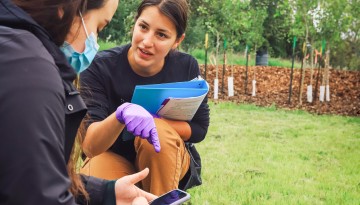
Awarded graduate students will study sustainability, biodiversity, accelerating energy transitions, advancing human health, increasing food security or addressing climate change.
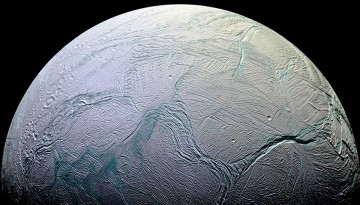
Decades before any probe dips a toe – and thermometer – into the waters of distant ocean worlds, Cornell astrobiologists have devised a way to determine ocean temperatures based on the thickness of their ice shells, effectively conducting oceanography from space.
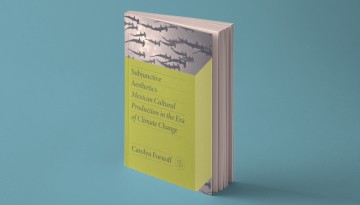
Carolyn Fornoff explores how contemporary Mexican writers, filmmakers and visual artists have reacted to climate change in her book "Subjunctive Aesthetics: Mexican Cultural Production in the Era of Climate Change."
A Millard Meiss Publication Fund award will support the publication of Kelly Presutti's "Land into Landscape: Art, Environment, and the Making of Modern France.”