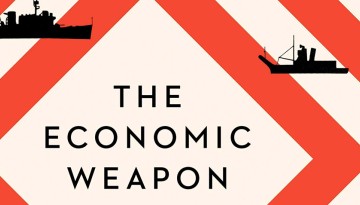
Economic sanctions have long been considered a nonviolent deterrent, but ironically they have become a tool of modern warfare, according to a new book by Nicholas Mulder, assistant professor of history.
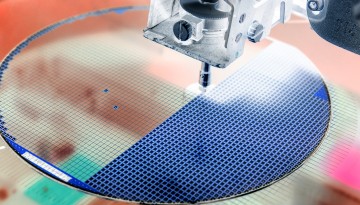
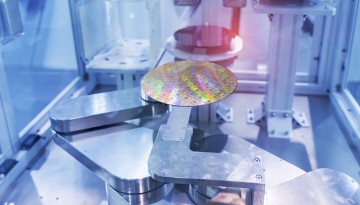
With a little twist and the turn of a voltage knob, Cornell researchers have shown that a single material system can toggle between two of the wildest states in condensed matter physics.
From teaching food science at the Ithaca Farmers Market to researching how youth feel about their race and ethnicity, this year’s Engaged Faculty Fellows are demonstrating the range of work that’s possible through community-engaged learning and research. The 2021-22 cohorts include 15 faculty from eight Cornell schools and colleges.
Aggressive and relatively common lymphomas called diffuse large B cell lymphomas have a critical metabolic vulnerability that can be exploited to trick these cancers into starving themselves, according to a study from Cornell researchers.
The research-sharing platform is a free resource for scholars around the world in fields including physics, math and computer science, who use the service to share their own cutting-edge research and read work submitted by others.
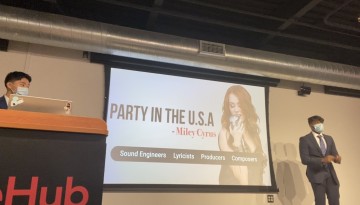
Four teams of undergraduate students were named winners of the Big Ideas Competition at Cornell, with ideas that help musicians connect, detect heart problems, train unemployed young adults and help with pollution issues in developing countries.
Cornell researchers have found that 3D semiconductor particles have 2D properties, which can be leveraged for photoelectrochemical processes that boost solar energy conversion technologies.
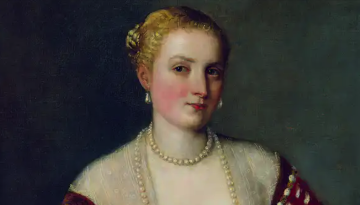
Marilyn Migiel, professor of Romance studies, has won the Modern Language Association’s Aldo and Jeanne Scaglione Publication Award for Veronica Franco in Dialogue,” forthcoming from the University of Toronto Press in spring 2022.