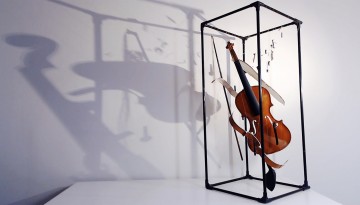
Students in the Bending Instruments course let their imaginations run free in creating unique musical instruments, using what they had on hand while sheltering at home.
Economists Eleonora Patacchini and Marco Battaglini found that federal appellate judges, who are randomly assigned to judicial panels, are more likely to hire women to court clerkships after serving on panels with female colleagues.
Ecologist and conservation biologist Amanda Rodewald studies birds and the ecosystems on which they depend, looking for the best outcomes for people and the planet. This approach turned her attention to coffee farms.
Despite great strides in modernizing physics labs, often by removing rigid structures to give students more independence, gender roles are still present in these spaces through imbalances in lab work.
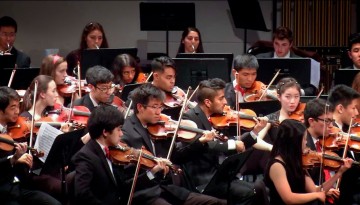
Cornell classes were held remotely this spring, but 10 members of the Cornell Orchestra are still meeting weekly by Zoom with their mentees – orchestra students from Cayuga Heights Elementary School.
Tom Ruttledge, retired senior lecturer in the Department of Chemistry and Chemical Biology, in the College of Arts and Sciences, died May 19 in Ithaca. He was 55.
G. Peter Lepage, the Goldwin Smith Professor of Physics, and Thomas Pepinsky, professor of government, have received two of Cornell’s highest honors for faculty members.
Career services offices are helping students find alternate jobs or experiences, as many internships and summer positions have fallen through due to the COVID-19 pandemic.
Things to do this week include a new edition of “World According to Sound”; a meal with the founder of Ithaca Hummus; and virtual activities for Senior Spirit Days.