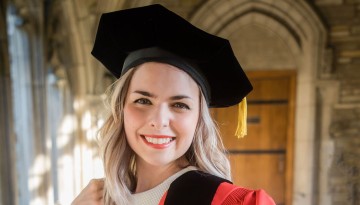
Human development doctoral alumna Kaylin Ratner, Ph.D. ’20, was selected as a finalist for the inaugural SUNY Chancellor Ph.D. Graduate Dissertation Awards, which recognizes outstanding doctoral candidates in the SUNY system.
Registration is now open for Cornell's Winter Session 2022. You can choose from a wide range of online courses taught by Cornell faculty during the three-week period from Jan. 3-21. Enrollment is open to anyone interested in taking a class—from undergrads and high school students to alumni and any motivated adult.
President Martha E. Pollack on Oct. 18 announced the winners of Stephen H. Weiss Awards honoring a sustained record of commitment to the teaching and mentoring of undergraduate students and to undergraduate education.
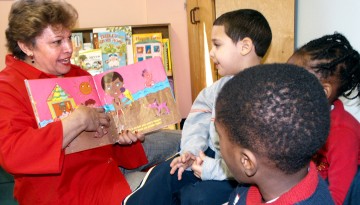
Through a partnership with Cornell Cooperative Extension, New York City’s Department for the Aging will provide child development training to volunteers in its Foster Grandparent Program.
Mimi Prober will serve as designer-in-residence at the Jill Stuart Gallery from Oct. 13 to Nov. 9. She will meet with students, critique their work and exhibit her own. She will also create a new garment made from pieces that were slated to be retired from the Cornell Fashion + Textile Collection.
One year into the Engaged College Initiative, leadership from involved colleges, staff from the David M. Einhorn Center for Community Engagement and community engagement experts discuss progress so far and future plans.
Their projects served communities across New York, from improving soil at community farms in New York City to developing an anti-racism curriculum for Hudson Valley teens.
A recent study brought together Cornell students and faculty and New York City teenagers to explore how nutrition education can improve nutrition and promote positive youth development in places with little or no access to healthy, affordable food.