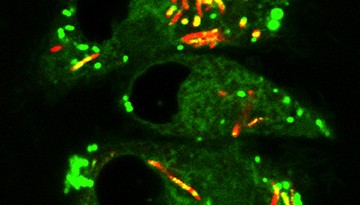
A novel compound, developed by College of Veterinary Medicine researchers, that has the potential to starve the bacteria that causes tuberculosis – the world’s second-leading infectious killer – is entering human clinical trials.
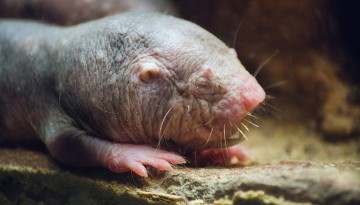
A new study sheds light on unique processes that bestow naked mole-rats with what seems like eternal fertility, findings that could eventually point to new therapies for people.
An interdisciplinary collaboration used a materials science approach to “fingerprint” calcium mineral deposits that reveal pathological clues to the progression of breast cancer and potentially other diseases.
Black and Indigenous Americans are far more likely to experience homelessness than other groups, according to a Cornell-led study that is the first to report national, annual rates of sheltered homelessness over time across race and ethnicity.
Although researchers have suspected distemper was infecting tigers and leopards, this study is the first definitive proof of infection in Nepal’s big cats.
Avery August, Ph.D. ’94, and David Russell, both professors in the Department of Microbiology and Immunology in the College of Veterinary Medicine, have been elected to the American Academy of Microbiology.
Biomedical and biological sciences alumna Yun Ha Hur, Ph.D. ’21, was selected as a finalist for the SUNY Chancellor Ph.D. Graduate Dissertation Awards, which recognizes outstanding doctoral candidates in the SUNY system.
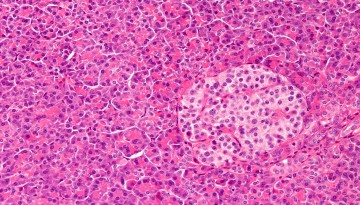
MicroRNA (miRNA) molecules in pancreatic islets have been thought to play important roles in Type 2 diabetes, but until now scientists have not confidently identified which miRNAs are associated with the disease in humans.