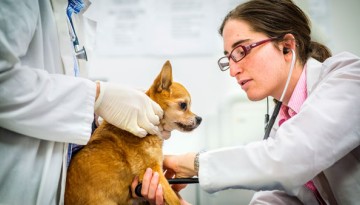
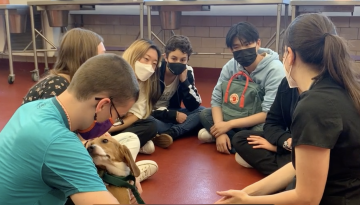
While advancing the understanding of canine diseases, these two-year projects will also explore new avenues for diagnosing chronic pain and develop new models for testing therapies catered to dogs' immune systems.
Paula Cohen, professor of genetics, is pioneering an innovative alternative to the birth control pill: a form of male contraception that targets a mechanism in the early stage of sperm cell production.
Students received their coats during the 21st annual Biomedical and Biological Sciences Symposium, an all-day event that kicks off the academic year for the program.
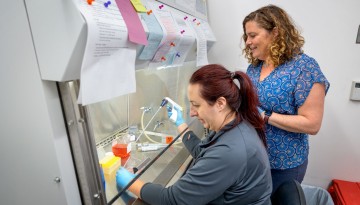
Six Cornell faculty members from three different colleges will work together to improve epidemiological models of infectious disease, including by better incorporating human behavior into the models, using a $1 million grant from the National Science Foundation.
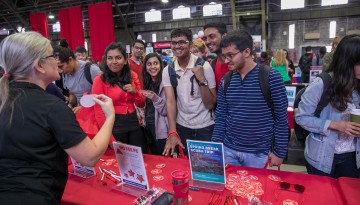
A resource fair on Monday, Sept. 12 will bring together incoming and continuing graduate and professional students from all colleges and programs to showcase more than 60 different resources from all over campus.
High School students from around the world come to Cornell University to live on campus and study vet medicine during the summer. They work with Cornell faculty, earn college credit, and earn a Cornell transcript.
Workplace burnout is costing the veterinary industry two billion dollars a year, according to research from the Cornell Center for Veterinary Business and Entrepreneurship.
Aziza Glass D.V.M. ‘15, owner of Personal Touch Veterinary Clinic and a star on the Disney XD and Hulu show “Roman to the Rescue." is the next guest on the Startup Cornell podcast.
In a large-scale effort to reduce human infectious diseases and conserve human and animal life, researchers have collated and reviewed the evidence for 46 solutions that aim to advance the United Nations’ Sustainable Development Goals.